My Teaching Needs to Improve
A lesson is not working, learners are struggling, or you want a clearer way to teach, observe, assess or respond.

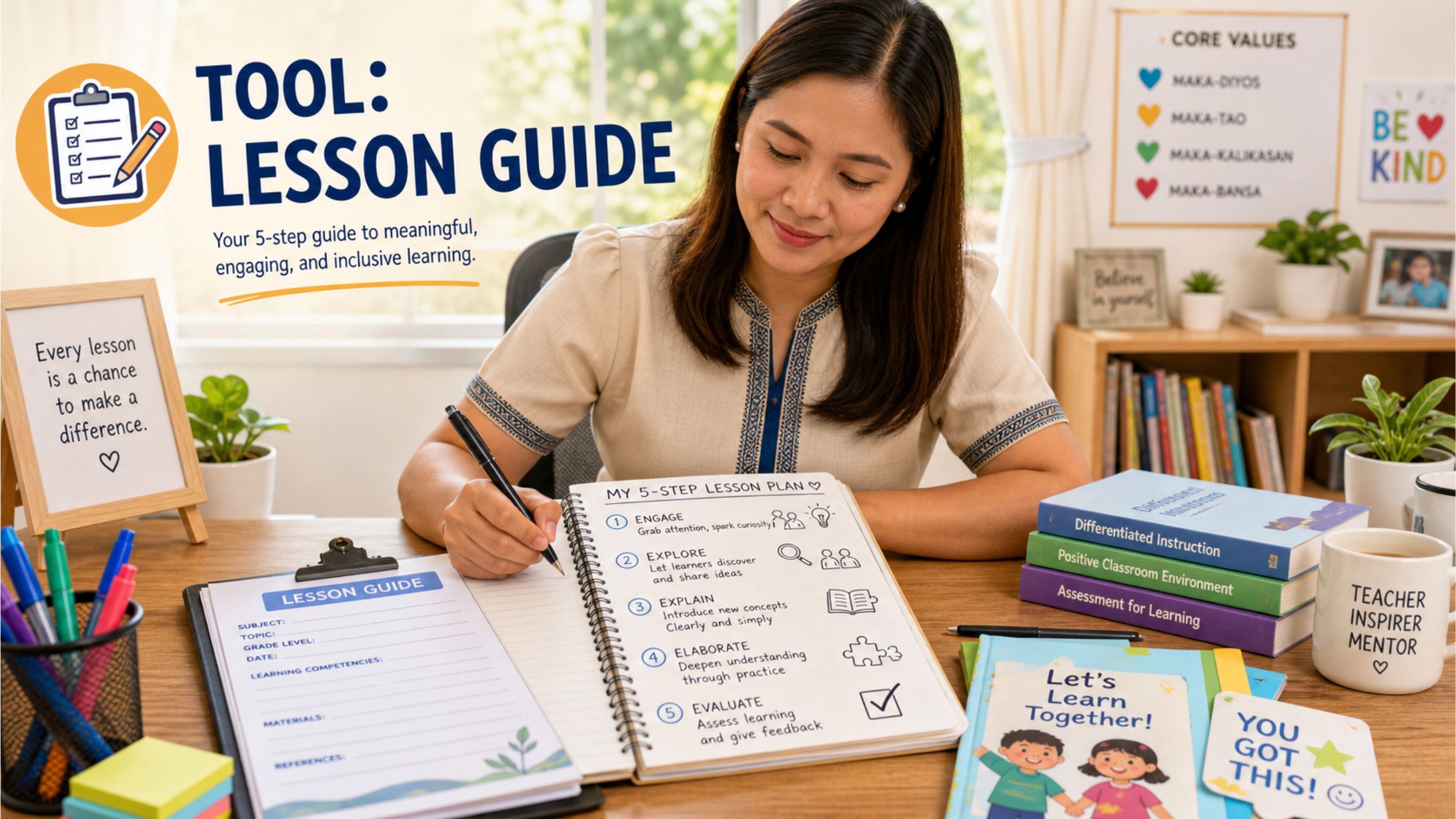
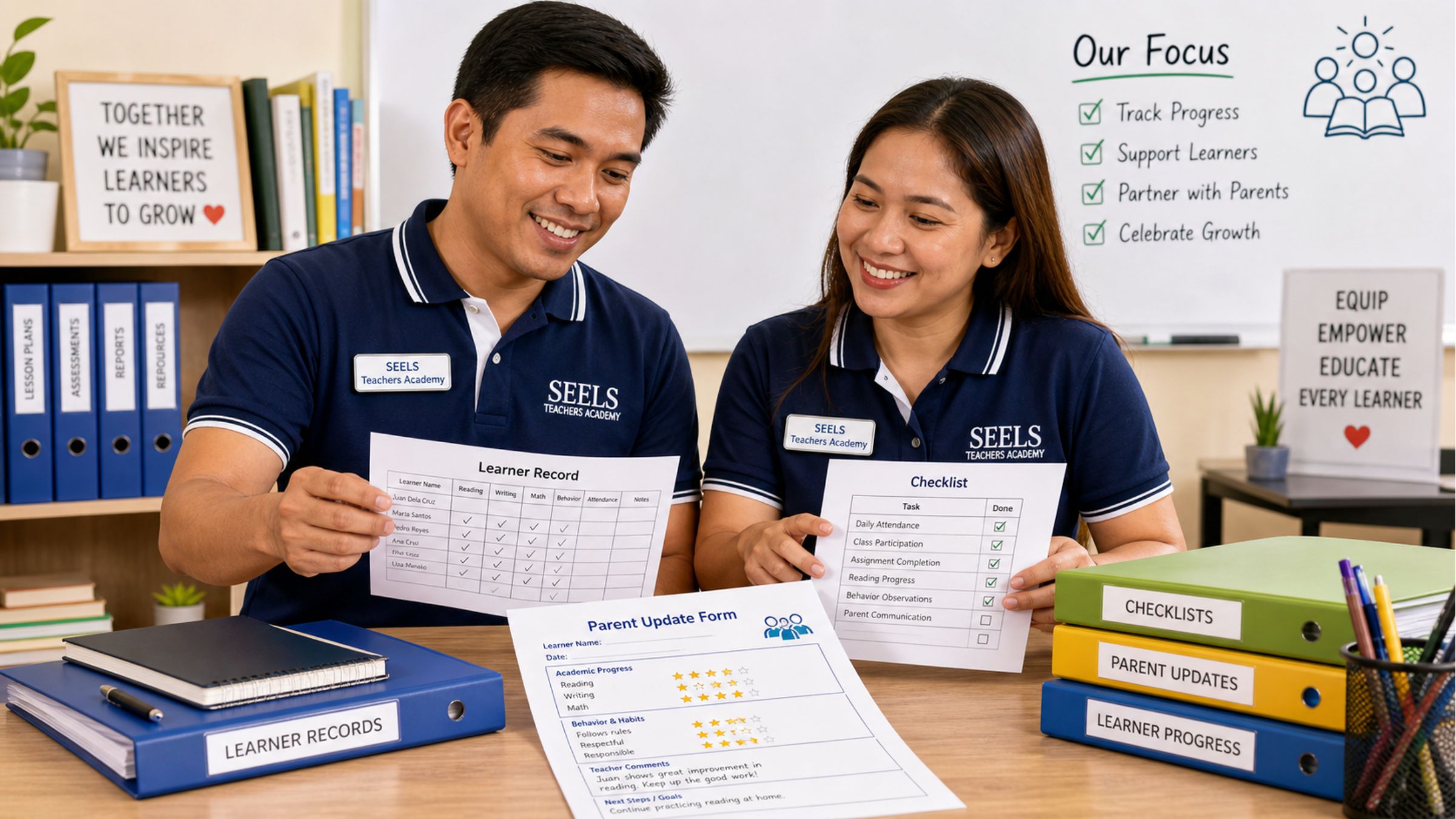

Innovate. Teach Better. Start Smarter. Strengthen Your School.
Teachers, tutors, school leaders and education builders do not always need another lecture. Sometimes they need a place to bring the real lesson, learner problem, program idea, startup plan or school challenge they are facing—and work through it carefully with other educators.
Small-group professional clinic • Teaching • School startup • School improvement • Practical action planning
You do not need to arrive with a perfect proposal. Begin with the challenge, question or idea that is already occupying your attention.
A lesson is not working, learners are struggling, or you want a clearer way to teach, observe, assess or respond.
You are considering home tutoring, a tutorial center, an after-school program, a literacy service, preschool initiative or another education project.
You already operate a program but need to rethink curriculum, teacher development, parent experience, enrollment, systems or implementation.
The concept is promising, but the priorities, sequence, pilot design or practical route forward are still unclear.
The tracks provide structure, but real challenges often overlap. You may enter through the track that best describes your immediate need.
For teachers, tutors and learning facilitators who want to improve what happens directly with learners.
For people developing a tutorial service, learning center, small school, after-school program or education initiative.
For operating schools and learning centers that want to examine a specific area and strengthen it deliberately.
The purpose is not to produce a perfect answer in one sitting. It is to help you see the issue more clearly and leave with a realistic direction for what comes next.
Bring the actual lesson, learner difficulty, program idea, startup question or school-development issue you want to work on.
Clarify what is happening, what evidence you already have, what assumptions may need checking and which part of the problem deserves attention first.
Develop practical options, organize priorities, identify useful resources and shape a manageable plan or prototype.
Leave with concrete next steps, responsibilities, questions to verify and a clearer basis for deciding what to do next.
The Clinic becomes more useful when the discussion is anchored in an actual situation rather than a hypothetical one.
Bring whatever helps explain the challenge. It does not need to be polished.
The exact output depends on the challenge, but the session should move you beyond general discussion.
These examples illustrate the kind of practical problem the Clinic is designed to help participants examine.
The Clinic may examine the teaching sequence, learner evidence, pace, modelling and practice opportunities, then identify the next teaching adjustment to test.
The discussion may clarify the learner group, program focus, schedule, materials, parent proposition and a small first pilot rather than an oversized launch.
The Clinic may review the actual program, parent-facing message, learner experience and evidence, then identify what needs to become clearer or stronger.
The session may examine scope, people, sequence, responsibilities and practical constraints, then reduce the idea into a manageable implementation step.
Bring a lesson, learner challenge, literacy concern, assessment question or teaching idea you want to improve.
Bring the idea for a home-based service, tutorial center, after-school program or small education venture.
Work on program differentiation, teacher systems, learner experience, parent communication or growth issues.
Bring a curriculum, teacher-development, enrollment, parent-engagement or institutional improvement challenge.
Work through a program that is difficult to organize, communicate, implement or evaluate.
Bring a literacy, family-learning or community education idea that needs a clearer operating pathway.
Some challenges can be worked on directly in the Clinic. Others may reveal that the next useful step is training, practicum, a focused implementation clinic or another professional resource.
When the challenge is beginning English reading, phonics or Jolly Classroom onboarding.
When the teacher needs a structured Filipino reading and writing foundation.
When the need begins with child development, Montessori Language and early literacy foundations.
When the educator or institution is ready for a longer guided professional-development pathway.
When the next step is to observe, practise and demonstrate learning in an authentic setting.
When one day is not enough and a specific project needs deeper guided follow-through.
The regular group Clinic is designed as an accessible, focused professional-development day under SEELS Weekend Academy.
The Clinic is planned for the fourth weekend of the month. Specific dates are announced through SEELS Weekend Academy.
Selected fifth weekends may be used for more focused implementation clinics when announced separately.
The most useful preparation is to tell us what you actually want to work on. Your description does not have to be polished.
After submission, SEELS will contact you with the next available fourth-weekend schedule and the applicable payment instructions.
The Clinic is professional-development and planning support. It does not replace legal, accounting, licensing, regulatory, mental-health or other specialized professional advice.
Ask whether the Clinic fits your situation, what you should bring, whether your issue is better suited to another SEELS program, or how the fourth-weekend schedule works.
You do not need to register simply to ask whether the Clinic is appropriate for your current challenge.
Not primarily. Short explanations may be used when helpful, but the Clinic is organized around participants' real teaching, startup and school-development challenges. The goal is to work toward practical next steps rather than spend the whole day listening to a lecture.
No. Teachers, tutors, aspiring education entrepreneurs, coordinators, school leaders and community educators may join. Choose the track that best matches the issue you want to bring.
Yes. The School Improvement Clinic is specifically intended for operating schools and learning centers that want to examine a defined issue such as curriculum, teacher development, parent experience, enrollment, systems or program implementation.
No. The Clinic can help you clarify the concept, priorities, operating questions, pilot structure and next steps. A full feasibility study, financial model, legal review, architectural plan, licensing service or other specialized professional work would require a different scope.
No. The Clinic provides educational and planning support. Business performance, learner enrollment, permits, regulatory approvals and institutional outcomes depend on many factors outside the Clinic.
Yes, subject to available seats. Team participation can be especially useful when the challenge requires shared decisions. Each participant should register unless SEELS confirms a separate institutional arrangement.
The Clinic can help identify that such advice is needed, but it does not substitute for a lawyer, accountant, government regulator, architect, engineer, licensed health professional or other specialist.
Yes. The fourth-weekend Clinic is intended as a recurring Weekend Academy support space. Participants may return when a new implementation question or development need emerges, subject to the announced schedule and available places.
The regular one-day group Clinic fee is ₱1,500 per participant. No payment is taken on this page. Submit the registration first, and SEELS will provide the next available schedule and applicable payment instructions.
Bring the challenge you are facing. Work through it. Decide what deserves attention first—and leave with a clearer plan for what to do next.