About SEELS
Education remains the foundation of every SEELS initiative.
SEELS is a Japan–Philippines education and teacher-development organization built from long-term work in migrant empowerment, teacher formation, school development and applied learning. Its present Philippine mission strengthens early Reading & Writing foundations, brings Montessori-informed preparation closer to children and communities through Bite-Size Montessori, develops teachers and local learning providers, and connects training with sustained classroom implementation through the flagship SEELS Strong Beginning Reading & Writing (SBRW) system.
Since 2011
Formal institutional base established in Japan
1,000+
Teacher-training graduate records reported by SEELS
JP–PH
A cross-border education and community-development direction
2011
SEELS Co., Ltd. established in Japan
1,000+
Teachers and education practitioners in SEELS graduate records
Who we are
What is SEELS?
SEELS is an education and human-development organization connecting Japan and the Philippines. It began from the practical need to help migrant educators and caregivers strengthen their skills, confidence, professional standing and capacity to serve children and families.
Over time, this work developed into teacher-training pathways, Montessori-related formation, TESOL, phonics, educational technology, school-development initiatives, supervised practice and institutional partnerships.
Today, SEELS Philippines places early literacy at the center of its public mission. It prepares teachers dedicated to literacy foundations and helps tutorial centers, small schools and community learning providers become more structured, trusted and capable local partners. This work now comes together most visibly through the Strong Beginning Reading & Writing (SBRW) flagship classroom implementation system.
SEELS is not only a course provider.
Training prepares people; implementation supports children. SBRW reflects this wider
purpose by connecting teacher growth, language-appropriate literacy pathways,
responsible classroom practice, parent communication, institutional capability,
learner evidence and continuing support.
Why SEELS exists
Education should create capability, dignity and practical pathways.
SEELS was built around a recurring reality: committed people often need more than information. They need structured formation, guided practice, institutional support and a realistic pathway for applying what they learn. That realization eventually required SEELS to move beyond stand-alone training toward a continuing classroom implementation system.
Develop People
Strengthen the knowledge, confidence, judgment and practical capability of teachers, caregivers, tutors, assistants and education leaders.
Strengthen Practice
Connect theory with demonstrations, materials, supervised application, observation, reflection and evidence from actual teaching situations.
Build Institutions
Help local schools and learning centers develop staff systems, program pathways, safeguards, parent communication and quality-support processes.
From Teacher Formation to Classroom Implementation
Why Strong Beginning Reading & Writing became the SEELS flagship literacy system
Teacher training has always been central to SEELS, but experience with educators, families and learning providers showed that training alone does not complete the work. A prepared teacher still needs a clear learner-entry process, a structured lesson pathway, appropriate materials, parent communication, learner observation, progress evidence, review points and continuing support.
SEELS Strong Beginning Reading & Writing (SBRW) was developed as the implementation layer that connects these needs. It is not simply another short course. It is the SEELS flagship classroom system through which prepared teachers and learning providers can organize responsible beginning-literacy practice over time.
The institutional shift is simple:
SEELS does not want training to end at a certificate. The goal is to help capable
teachers translate preparation into consistent classroom practice, visible learner
development and understandable communication with families.
Our journey
From migrant teacher formation in Japan to an early-literacy mission in the Philippines.
The milestones below provide a concise institutional story. Dates and claims should be maintained with supporting records, photographs, certificates, agreements or official links.
Migrant Education and Empowerment
The journey began in Japan through education and community-development work intended to strengthen the skills, professional confidence and participation of Filipino migrants.
SEELS Co., Ltd.
SEELS established a formal institutional base in Japan for teacher education, professional development, school initiatives and international collaboration.
Montessori and Early Childhood Formation
Teacher-development work expanded through Montessori-related preparation, language foundations, classroom practice and school-development concepts.
TESOL and International Teacher Development
TESOL and related professional pathways strengthened SEELS support for educators preparing to teach English in Japan, the Philippines and international settings.
Digital Montessori Direction
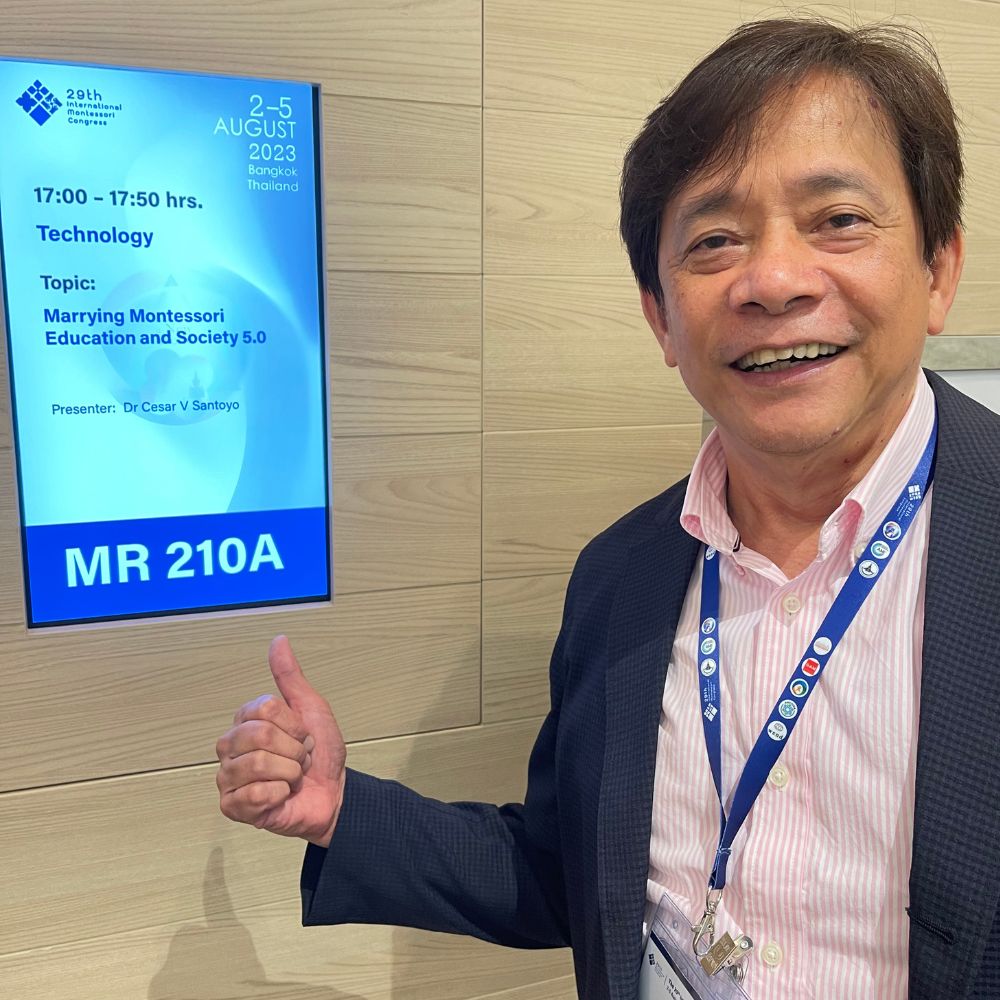
SEELS advanced its discussion of Montessori education, Society 5.0 and responsible educational technology through international professional engagement.
Philippine Early Literacy (PEARL) Network and SBRW Direction
Philippine work increasingly connected teacher training, Filipino and English literacy, tutorial-center development, supervised practicum and local institutional partnerships. This period also strengthened the shift from stand-alone training toward the SBRW classroom implementation model.
Our present mission
Why does SEELS begin with early Reading & Writing foundations?
The Philippines faces an urgent need to strengthen functional literacy, yet many of the capacities that support later Reading & Writing begin developing much earlier: language, listening, vocabulary, movement, sound awareness, hand preparation, meaningful experience and learner confidence. SEELS therefore works upstream.
Birth to early childhood
Relationships, spoken language, listening, songs, stories, movement, play and meaningful interaction.
Bite-Size Montessori • Approx. Ages 2.5–4
Practical Life, Sensorial experiences, oral language, vocabulary, sequencing, fine-motor development, sound awareness, sensory discrimination, pre-writing and early number readiness.
Explore the shared Montessori foundation →Filipino + English Reading & Writing
Developmentally appropriate sound-symbol work, blending, segmenting, handwriting, word building and comprehension.
Teachers and centers near families
Trained educators, structured programs, SBRW implementation where appropriate, learner checks, mentoring, parent communication and progress evidence.
The SEELS Early Childhood Response
Bring the basics of Montessori closer to more children—and connect them to a Strong Beginning in Reading & Writing.
Bite-Size Montessori is the shared Montessori-informed foundation within the SEELS early-childhood direction. It is designed primarily for approximately ages 2.5–4 and prepares the child through purposeful movement, Practical Life, Sensorial experience, oral language, sound awareness, fine-motor development, pre-writing and early number readiness.
The purpose is twofold: contribute to stronger early Reading & Writing foundations before later difficulties become harder to address, and raise public awareness that Montessori is more than special materials. It is a philosophy of child development, observation, independence, purposeful activity and the prepared environment.
Explore Bite-Size Montessori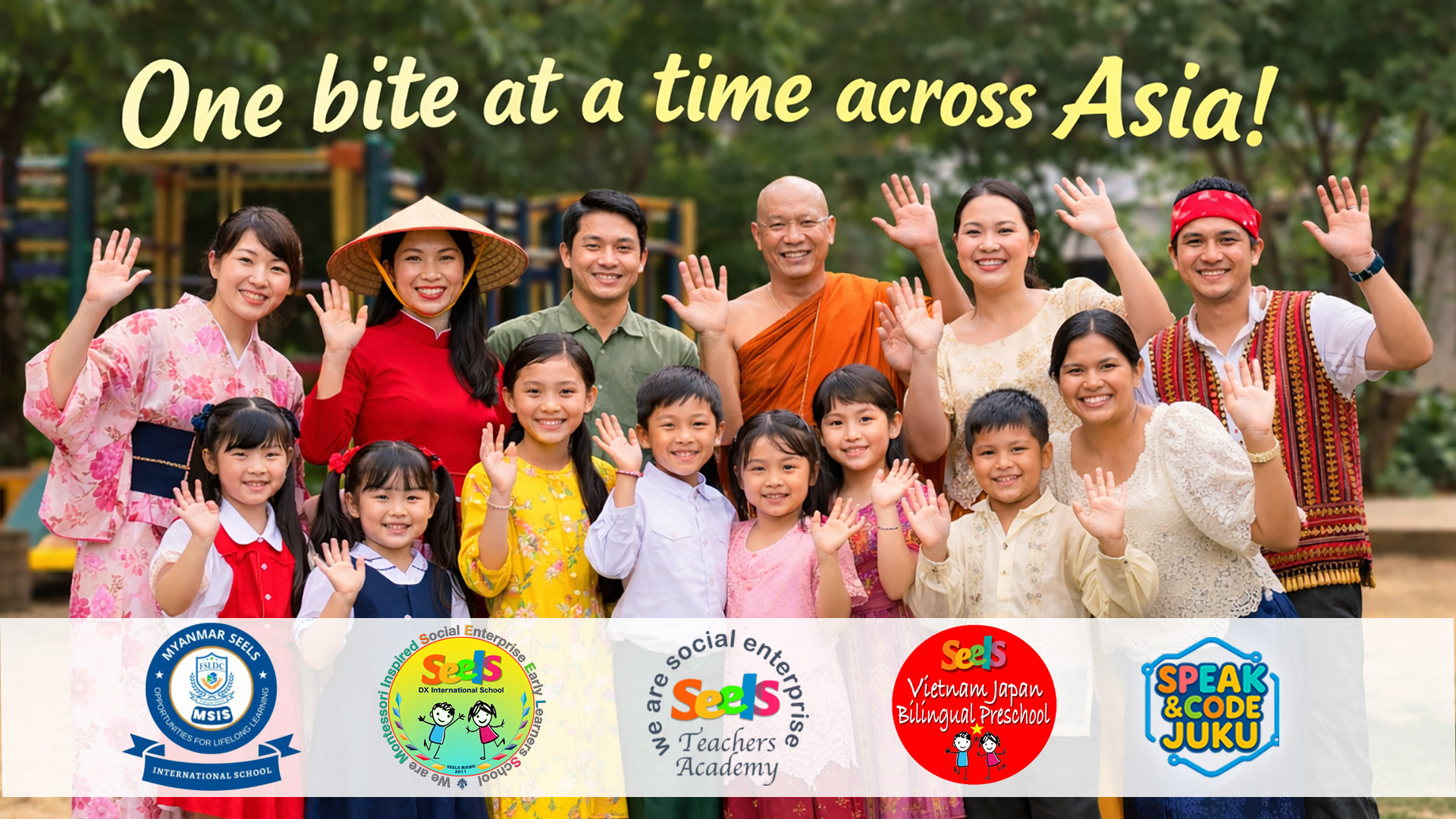
Prepare early. Grow teachers. Strengthen centers. Support children.
The SEELS Strong Beginning Reading & Writing social-impact direction
Educational philosophy
Principles that connect the SEELS programs.
The Child Develops Progressively
Early literacy changes by age and readiness. It does not mean forcing formal reading from birth.
Language Comes Before Worksheets
Conversation, stories, movement, play and meaningful interaction prepare the ground for print.
Filipino and English Are Equally Valuable
Each language is taught according to its own sound, syllable, spelling and word-building structures.
Teachers Continue Learning
Professional growth includes retooling, practice, mentoring, reflection and evidence-based improvement.
Small Providers Can Create Local Impact
Tutorial centers and small schools can become trusted neighborhood literacy partners when properly supported.
Growth Requires Accountability
Programs should include safeguarding, clear scope, observation, learner evidence and honest development status.
Preparation Comes Before Pressure
The urgency of the national Reading & Writing challenge should not mean pushing formal instruction earlier without regard for development. Bite-Size Montessori helps adults prepare movement, independence, oral language, sensory discrimination, sound awareness and the hand before more explicit Filipino or English instruction is introduced according to readiness.
How SEELS works
One mission with clearly identified organizational roles.
Clear roles help visitors understand who develops programs, who delivers training and how local institutions participate without implying automatic authorization or placement.
SEELS PH Education and Talent Development
Leads institutional consultation, program development, partnerships, SBRW implementation planning, tutorial-center strengthening, school-development support and implementation review.
SEELS Teachers Academy
Provides teacher and adult formation through pathways such as IC, Bite-Size Montessori, DME, TEYL, JCAT and Tunog at Pantig, together with course materials, demonstrations, assignments, mentoring, portfolio development, assessment and certificates within each program’s stated scope.
Partner Schools and Learning Centers
Support approved local implementation, including SBRW pilots or continuing literacy services where agreed, supervised practice, learner services and follow-up under separate written arrangements, available capacity and safeguarding requirements.
Our Business Ethos
Build the child. Strengthen the provider. Extend the benefit.
SEELS operates as a financially disciplined social enterprise. Its flagship SBRW implementation system is intended to create visible learning value for the child, stronger teaching capacity for the school or learning provider, and wider literacy opportunity for the community. Within SBRW, the Literacy Foundations Piggy Bank remains useful as a learner-evidence metaphor rather than a competing program destination.
Revenue helps sustain teachers, programs, technology, materials, implementation support, and institutional development. Social impact explains why the work exists and why SEELS seeks cooperation among families, educators, schools, tutorial centers, LGUs, foundations, and responsible businesses.
Explore the SEELS Business Ethos“A business that measures its success only in profit has already limited what it can become. SEELS measures success in the children who read because we existed.”
Public Service and Community Advocacy
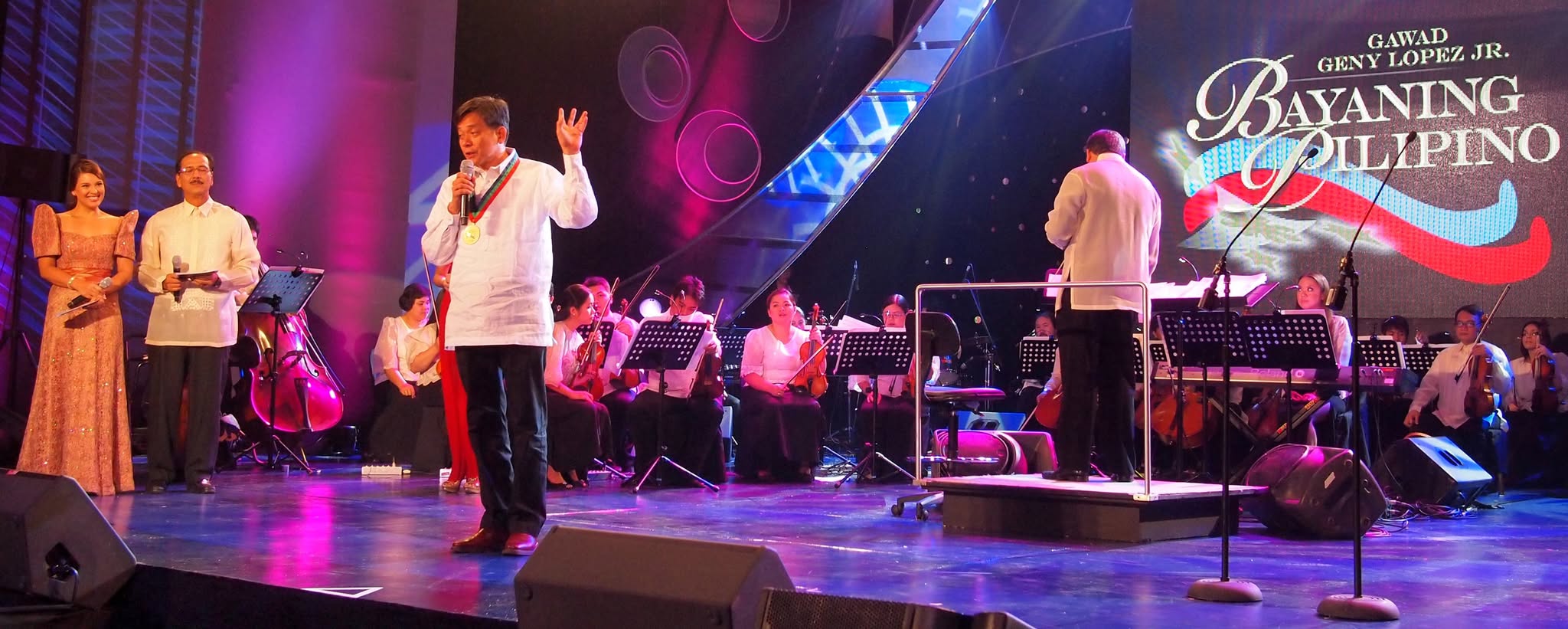
Education grew from long-term service to Filipino migrants, families and communities.
Before SEELS expanded its teacher-development and early-literacy pathways, its work was rooted in community organizing, migrant support, education access and Filipino public-service initiatives in Japan.
Founder and Educational Vision
Leadership shaped by education, migration and social enterprise.
Cesar V. Santoyo founded SEELS from more than two decades of work with Filipino migrants, teachers, families and community partners in Japan. His work has focused on creating pathways through which teachers can continue learning, gain meaningful professional opportunities and contribute to the education of children and families.
His present role is to help connect the long-term SEELS mission with teacher formation, early-literacy development, institutional partnerships and responsible education innovation in Japan and the Philippines.
Academic and Professional Formation
-
Global MBA in Digital Transformation
ZIGURAT Institute of Technology, Barcelona, Spain -
Global Master’s in Blockchain Technologies
ZIGURAT Institute of Technology, Barcelona, Spain -
Honorary Doctorate in Business Administration
Collège de Paris, France — awarded June 2023
Philippine Early Reading & Writing Architecture
One shared early-childhood foundation, teacher pathways and one flagship implementation system.
SEELS begins with a shared Montessori-informed early-childhood foundation and retains distinct professional-development pathways because children, teachers and institutions enter from different starting points. Bite-Size Montessori prepares the child; IC and DME deepen Montessori-informed adult capability; JCAT and Tunog at Pantig prepare language-specific Reading & Writing pathways; and SBRW provides the continuing classroom implementation system.
Shared Early Childhood Foundation
Bite-Size Montessori
Designed primarily for approximately ages 2.5–4, Bite-Size Montessori brings Montessori-informed Practical Life, Sensorial, oral-language, sound-awareness, fine-motor, pre-writing and early number-readiness experiences into a manageable foundation that can later support both Filipino and English Reading & Writing.
It also advances a wider SEELS public-awareness mission: help more families, educators and communities understand the basics of Montessori philosophy, observation, independence, purposeful activity and the prepared environment.
Flagship Literacy Implementation
SEELS Strong Beginning Reading & Writing (SBRW)
The classroom implementation system connecting prepared teachers, English and Filipino literacy pathways, Montessori-informed preparation, speaking and listening, reading-and-writing application, learner observation, parent communication, progress evidence, peer learning and quality support.
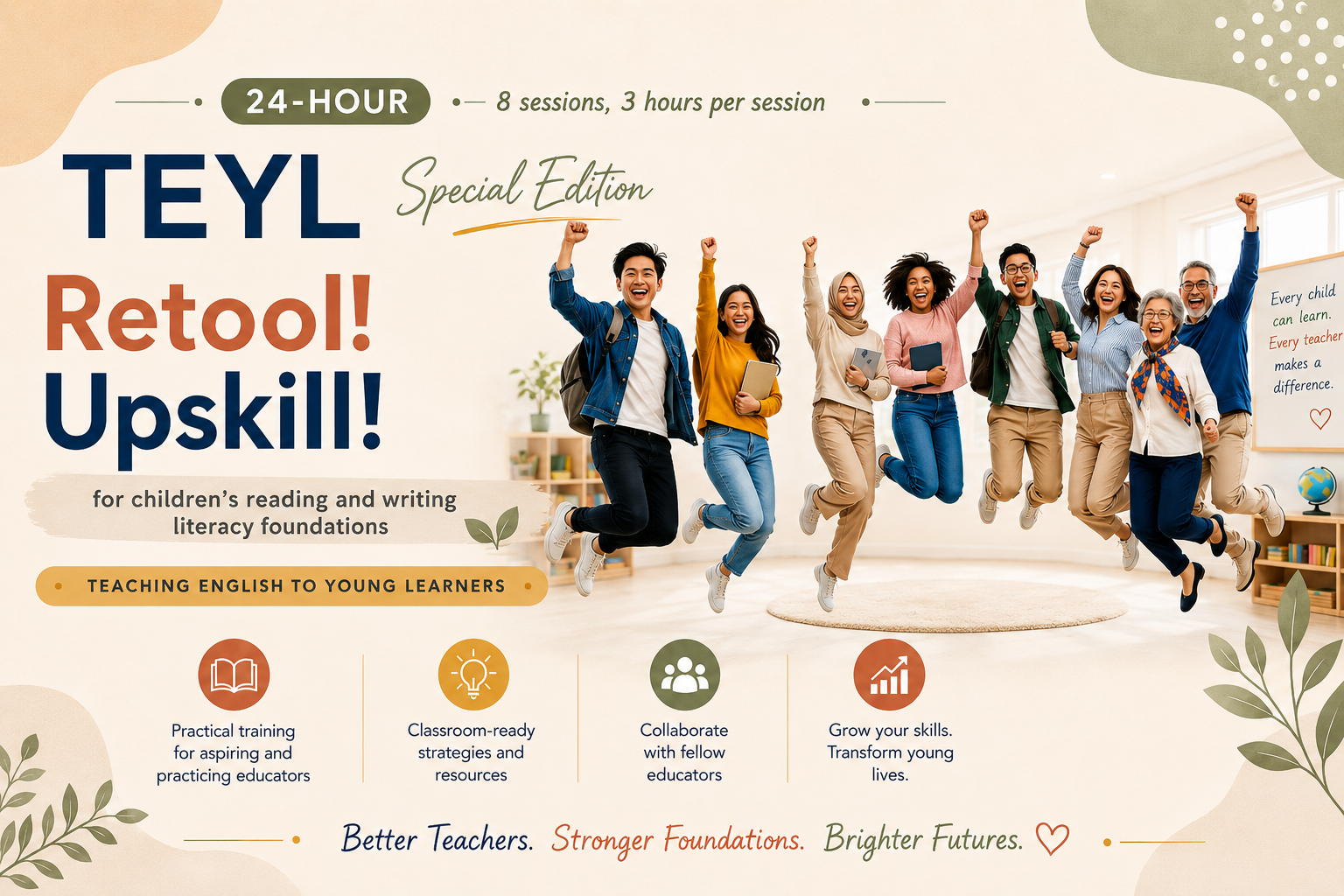
24-Hour TEYL Philippine Variant
Develop broader capability for teaching young English learners through child development, participation, classroom language, scaffolding, stories, movement, beginning literacy, lesson planning and reflective practice.
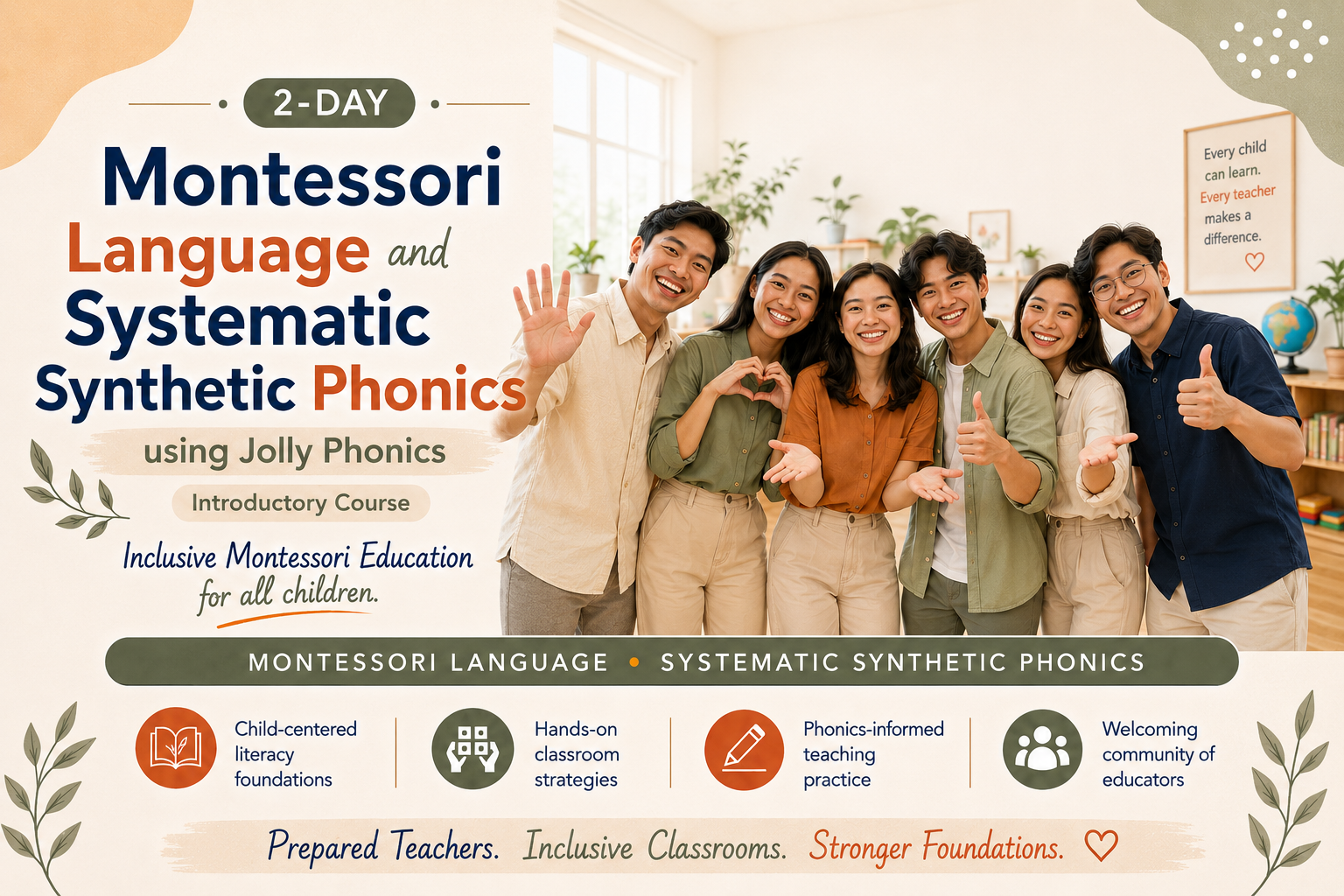
Montessori Language and Jolly Phonics IC
Build foundational understanding of child development, observation, prepared environment, spoken language, movement, sensorial and fine-motor preparation, sound-symbol learning and structured Reading & Writing.
After IC, participants who want greater confidence in Montessori philosophy, observation, prepared environments and classroom application are encouraged to continue through the Digital Montessori Education (DME) pathway.
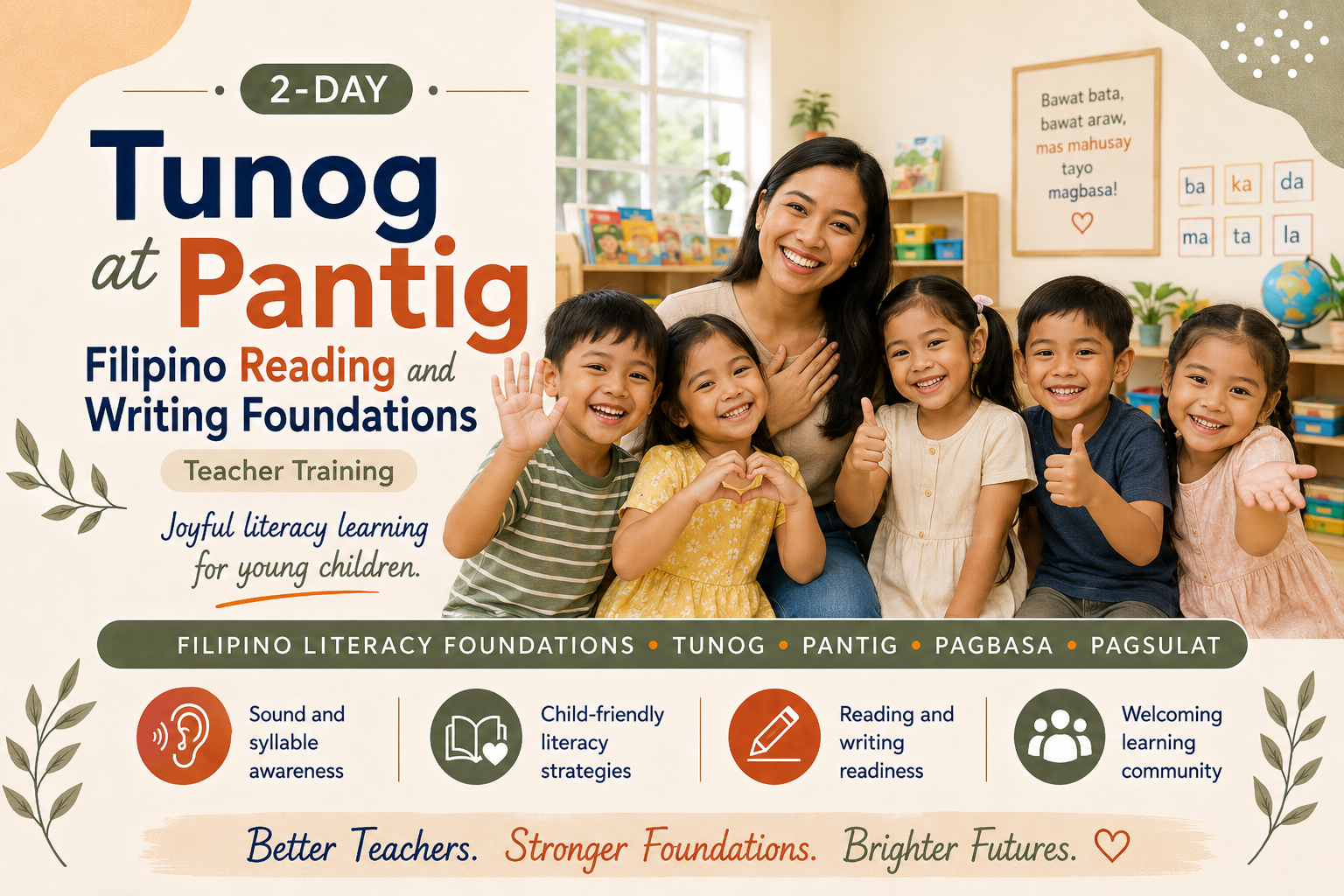
Tunog at Pantig
Prepare educators for the Filipino literacy pathway through oral language, tunog, titik, pantig, salita, pangungusap, pagbasa, pagsulat, meaning, observation and learner progress evidence.
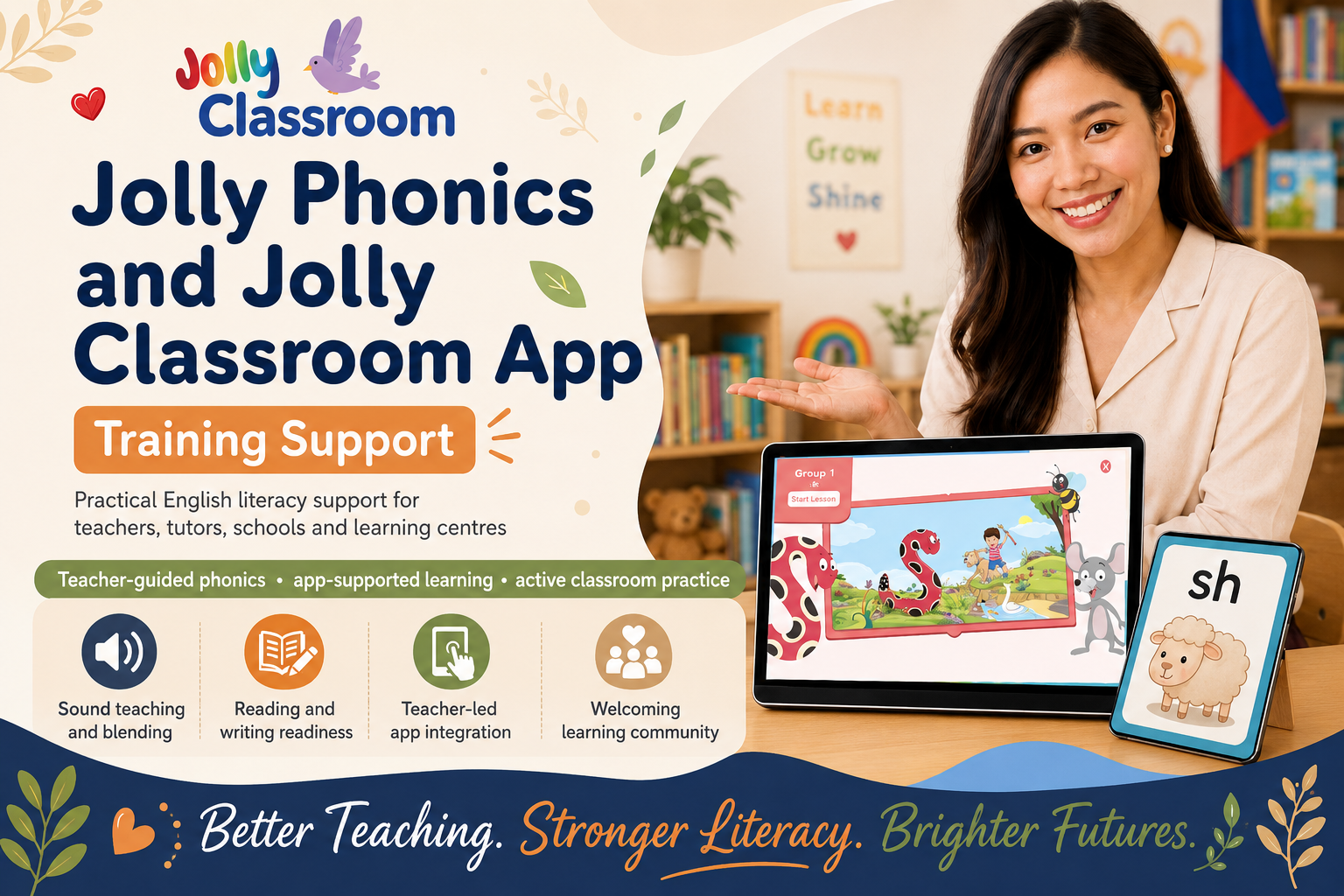
Jolly Classroom Onboarding (JCAT)
Prepare educators to use Jolly Phonics through Jolly Classroom responsibly as the major English structured-phonics instructional engine within SBRW, together with active off-screen reading-and-writing application.
How the architecture connects.
Bite-Size Montessori prepares the young child through a shared Montessori-informed
foundation. IC establishes a common adult foundation; DME is encouraged for participants
seeking deeper Montessori confidence; TEYL strengthens wider young-learner capability;
JCAT prepares the English Reading & Writing pathway; Tunog at Pantig prepares the
Filipino Reading & Writing pathway; and SBRW connects prepared adults, learners,
families and learning providers through sustained classroom implementation.
After Training
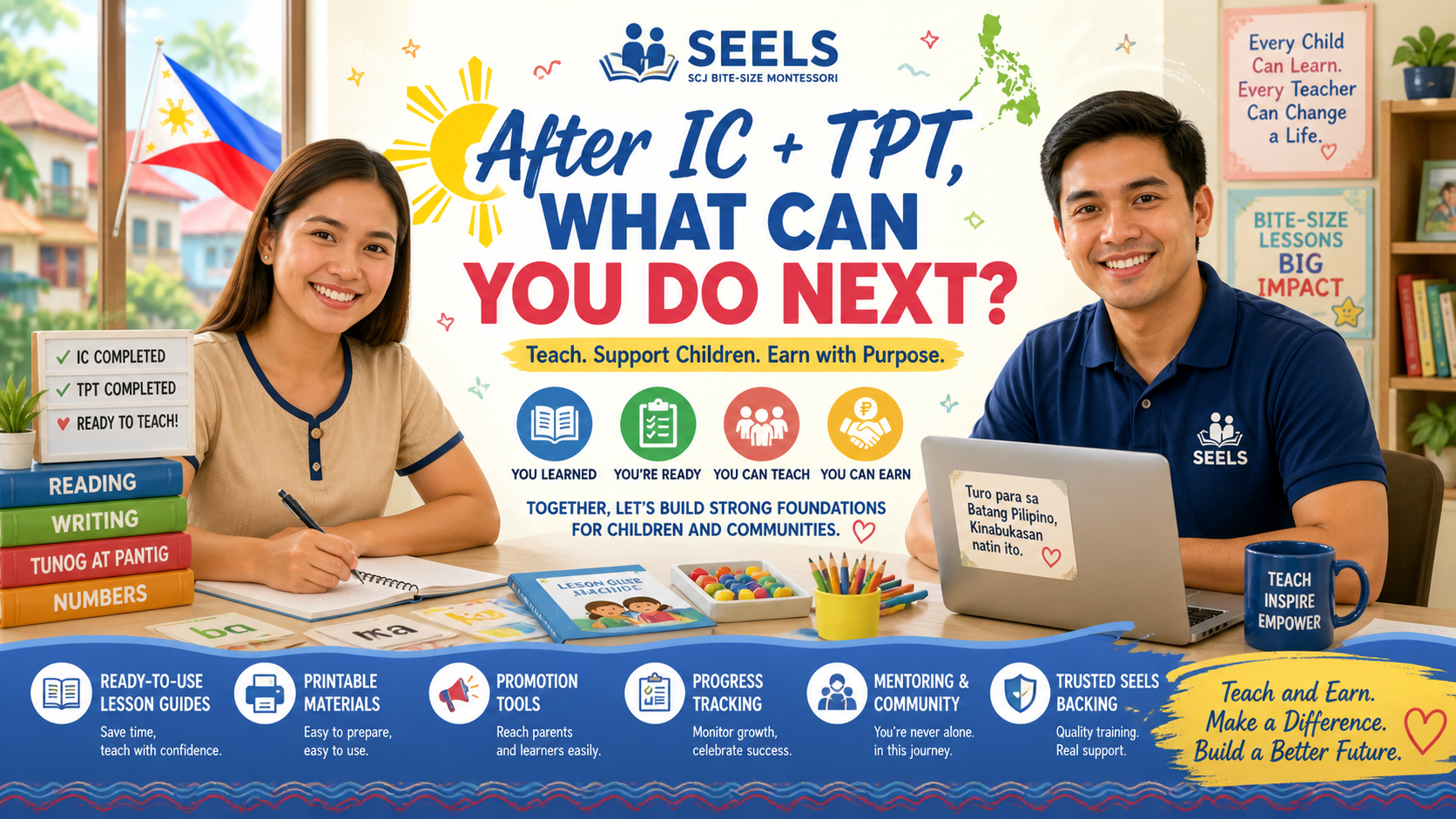
Training can lead to practice, SBRW implementation and continuing professional growth.
Graduates and learning providers may continue through peer learning, shared implementation resources, an appropriate SBRW pilot or classroom pathway, school collaboration, practicum preparation, and further professional formation such as DME or the 120-Hour TESOL.
Continue the SEELS journey
Start with the child, prepare the adult, or strengthen classroom implementation.
Explore Bite-Size Montessori for the shared early-childhood foundation, IC and DME for Montessori-informed adult development, JCAT or Tunog at Pantig for language-specific Reading & Writing preparation, SBRW for sustained classroom implementation, or a manageable school and learning-center partnership discussion.
About SEELS FAQ
Direct answers about the organization and mission.
What is SEELS?
SEELS originally stood for Social Enterprise English Language School.
It has since grown into a Japan–Philippines education and
teacher-development organization. In the Philippines, SEELS prepares
teachers dedicated to early literacy and strengthens tutorial centers,
small schools and community learning providers as local partners for
Filipino and English language, reading and writing foundations.
When was SEELS established?
The education and migrant-empowerment journey began in Japan before SEELS Co., Ltd.
was formally established in 2011 as an institutional base for teacher education,
professional development and school initiatives.
Why does SEELS focus on early literacy?
Literacy difficulties are often identified later, but the foundations of language,
listening, vocabulary, sound awareness, movement, print experience and confidence begin
much earlier. SEELS works upstream by helping teachers and local providers support these foundations.
How does Bite-Size Montessori fit into the SEELS Reading & Writing pathway?
Bite-Size Montessori is the shared Montessori-informed early-childhood foundation
within the SEELS Strong Beginning Reading & Writing direction. Designed primarily
for approximately ages 2.5–4, it develops Practical Life, Sensorial, oral language,
sound awareness, fine-motor, pre-writing and early number readiness. These foundations
can later support Filipino Reading & Writing through Tunog at Pantig and English
Reading & Writing through Jolly Phonics and Jolly Classroom when the child is ready.
What is SBRW and why is it the SEELS flagship?
Strong Beginning Reading & Writing (SBRW) is the SEELS flagship
literacy classroom implementation system. It grew from the recognition
that teacher training alone is not enough. SBRW connects prepared teachers
with learner entry, structured lessons, speaking and listening, reading and
writing application, parent communication, learner evidence, progress review
and continuing support.
How do JCAT and Tunog at Pantig connect to SBRW?
JCAT prepares educators for the English literacy pathway using Jolly Phonics
through Jolly Classroom. Tunog at Pantig prepares educators for the Filipino
literacy pathway. The two languages remain distinct and language-appropriate;
SBRW provides the shared implementation, parent-communication, evidence and
quality-support framework around them.
How do the SEELS units connect?
SEELS PH Education and Talent Development leads institutional consultation and program
development; SEELS Teachers Academy provides training and assessment; and partner
institutions support local implementation and supervised practice under agreed arrangements.
Does SEELS automatically accredit schools or license teachers?
No. SEELS provides professional training and institutional-development support within
each program’s stated scope. Government permits, professional licenses, official
Montessori recognition, third-party trainer status and other authorizations remain subject
to the relevant authorities or rights holders.