Original development and long-term practice
The course was created within SEELS teacher-development work in Japan, where it connected Montessori foundations, language education and the changing needs of educators, families and learning providers.
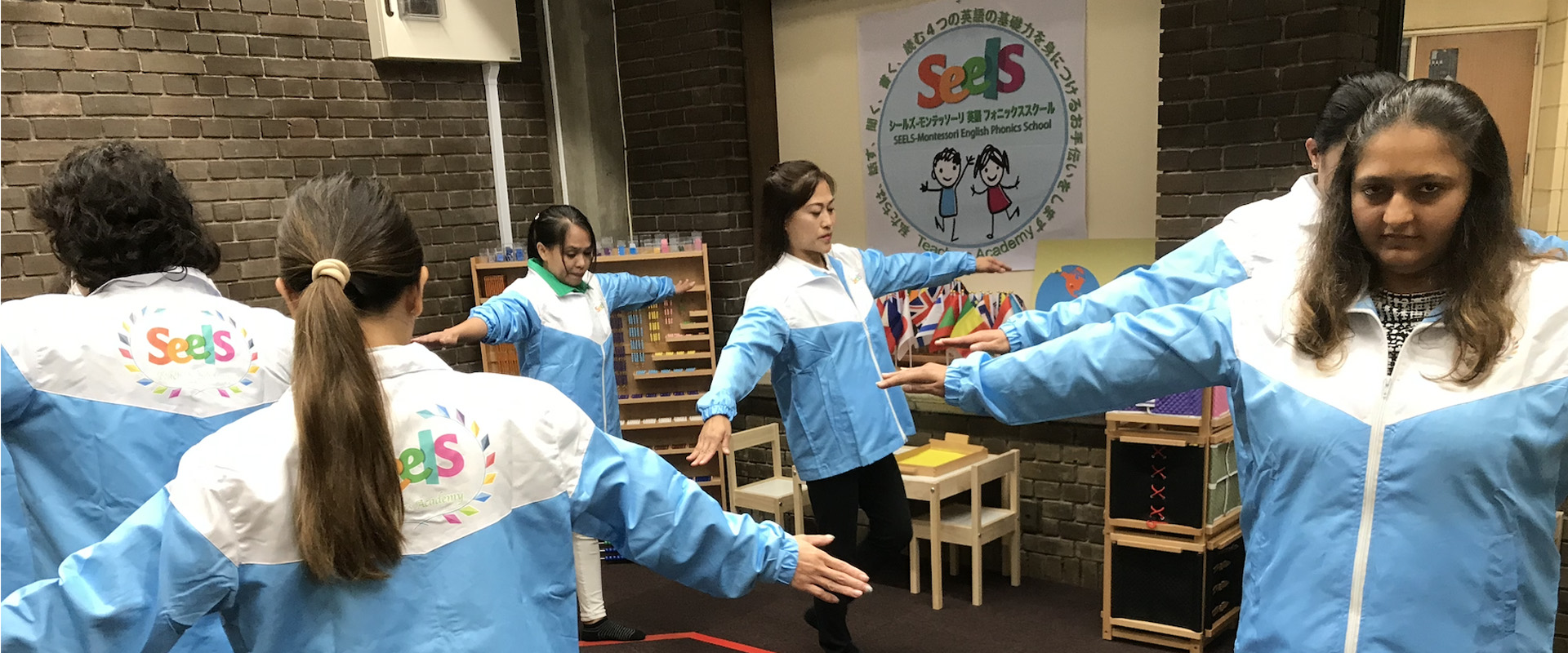
A practical two-day course for teachers, parents, tutorial centers, preschools, small schools and aspiring educators. Understand the child from birth to six, prepare the learning environment, strengthen oral language and literacy readiness, and connect Montessori language principles with an introductory understanding of systematic English phonics and Jolly Phonics.
First developed by SEELS in Japan in 2012, the course retains the same educational foundation and twelve-part syllabus in the Philippines. Local examples, schedules, fees, partner institutions and follow-up pathways are adapted to the realities of each country.
Within the present SEELS pathway, IC also helps adults understand the foundations behind Bite-Size Montessori—the shared Montessori-informed early-childhood foundation primarily for approximately ages 2.5–4—before more explicit Filipino or English Reading & Writing instruction when developmentally appropriate.
School systems, languages and available materials may differ, but the need to observe children carefully, respect developmental readiness, prepare purposeful environments and connect teacher knowledge with classroom practice remains relevant across countries.
The course does not begin with a product or teaching script. It begins with the child, the adult, the environment and the developmental foundations required before effective language, reading and writing instruction can take place.
The course was created within SEELS teacher-development work in Japan, where it connected Montessori foundations, language education and the changing needs of educators, families and learning providers.
Philippine delivery applies the same core syllabus to preschools, tutorial centers, home-based learning, community literacy work and small-school settings.
The Introductory Course and Bite-Size Montessori are connected but distinct. IC introduces adults to child development, observation, prepared environments, Montessori Language and beginning phonics. Bite-Size Montessori organizes many of those early foundations into a practical Montessori-informed approach for young children, primarily around ages 2.5–4.

Before formal Reading & Writing becomes the main instructional focus, young children are already building the capacities that later learning depends on. IC helps adults understand those developmental foundations; Bite-Size Montessori provides a practical way to support them through purposeful activity and observation.
Apply Montessori-informed preparation with young children, primarily around ages 2.5–4.
Prepare for more explicit English sound-symbol, blending, segmenting, reading and writing instruction.
Develop the Filipino pathway through tunog, titik, pantig, salita, pangungusap, pagbasa at pagsulat.
Deepen Montessori philosophy, observation, prepared environments and classroom application.
No previous Montessori qualification is required. Experienced educators may also use the course as a structured refresher and an opportunity to examine language and literacy practice in contemporary settings.
Strengthen understanding of development, readiness, language, movement and the prepared environment.
Refresh philosophy, child observation, language sequence, sensorial preparation and classroom integrity.
Connect oral language, participation, movement, phonemic awareness and systematic early-literacy support.
Understand how the home environment, relationships, routines, stories and purposeful activity support literacy foundations.
Move beyond homework assistance toward more structured child development and early-literacy support.
Gain a clear introductory framework before wider teacher formation, program planning or classroom practice.
Recognize sensitive periods, developmental needs, readiness, movement and the role of careful observation.
Connect order, independence, Practical Life, Sensorial work and language preparation with learner participation.
Trace the movement from oral language and phonemic awareness toward writing, word building and early reading.
Recognize where Montessori language foundations can connect with systematic synthetic phonics and Jolly Phonics.
Apply emotional safety, attention, movement, memory and engagement without reducing children to labels.
Identify appropriate follow-up training, classroom application, practicum or institutional development pathways.
The syllabus below aligns with the original SEELS Japan course while using broader learning-center language suitable for both regional settings.
Begin with the why behind Montessori: its scientific foundation, historical development and view of education as an aid to life.
Examine order, movement, language, sensory refinement, independence and how developmental readiness influences behavior and learning.
Revisit the prepared environment, freedom within limits, purposeful activity, self-correction, concentration and normalization.
Trace the pathway from oral language and phonemic awareness to writing, the Movable Alphabet, word building and early reading.
Observe selected Practical Life, Sensorial and Language materials and connect their purposes with the writing-to-reading sequence.
Explore meaning-based grammar work and identify responsible points of alignment between Montessori phonemic awareness, systematic synthetic phonics and Jolly Phonics.
Reflect on the first day’s learning, review the key purpose, progression and skills of Jolly Phonics, and introduce Jolly Classroom as a teacher-led resource for structured reading-and-writing instruction.
Use the concept cautiously for observation and differentiation without labeling children or replacing child-centered practice.
Consider serve-and-return interaction, emotional safety, stress, relationships and the conditions that support participation and learning.
Apply practical strategies for attention, movement, memory, engagement and developmentally appropriate lesson design.
Plan and demonstrate a one-hour classroom lesson integrating speaking and listening, reading and writing through songs, games and storytelling, with Jolly Classroom used as a teacher-led digital tool to support structured instruction and active learner participation.
Map appropriate next steps in teacher development, language-specific literacy training, practicum, classroom implementation and institutional support.
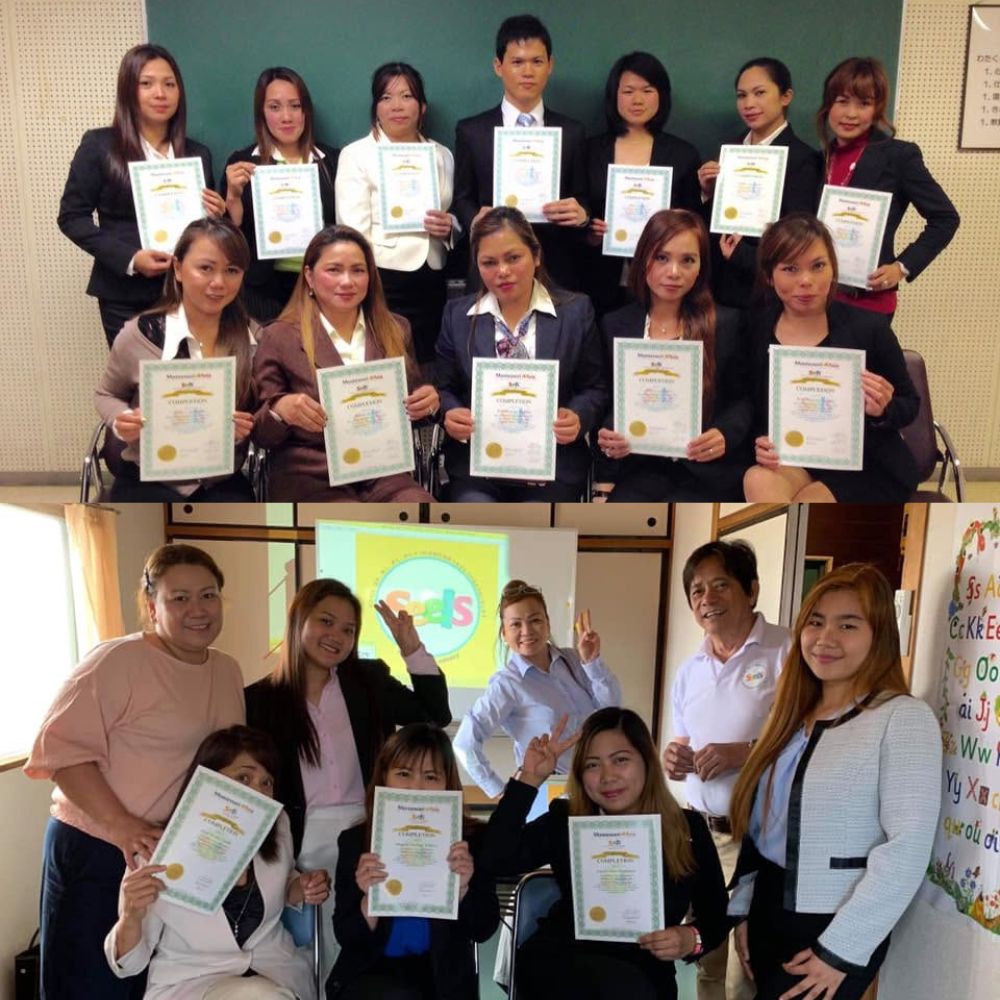
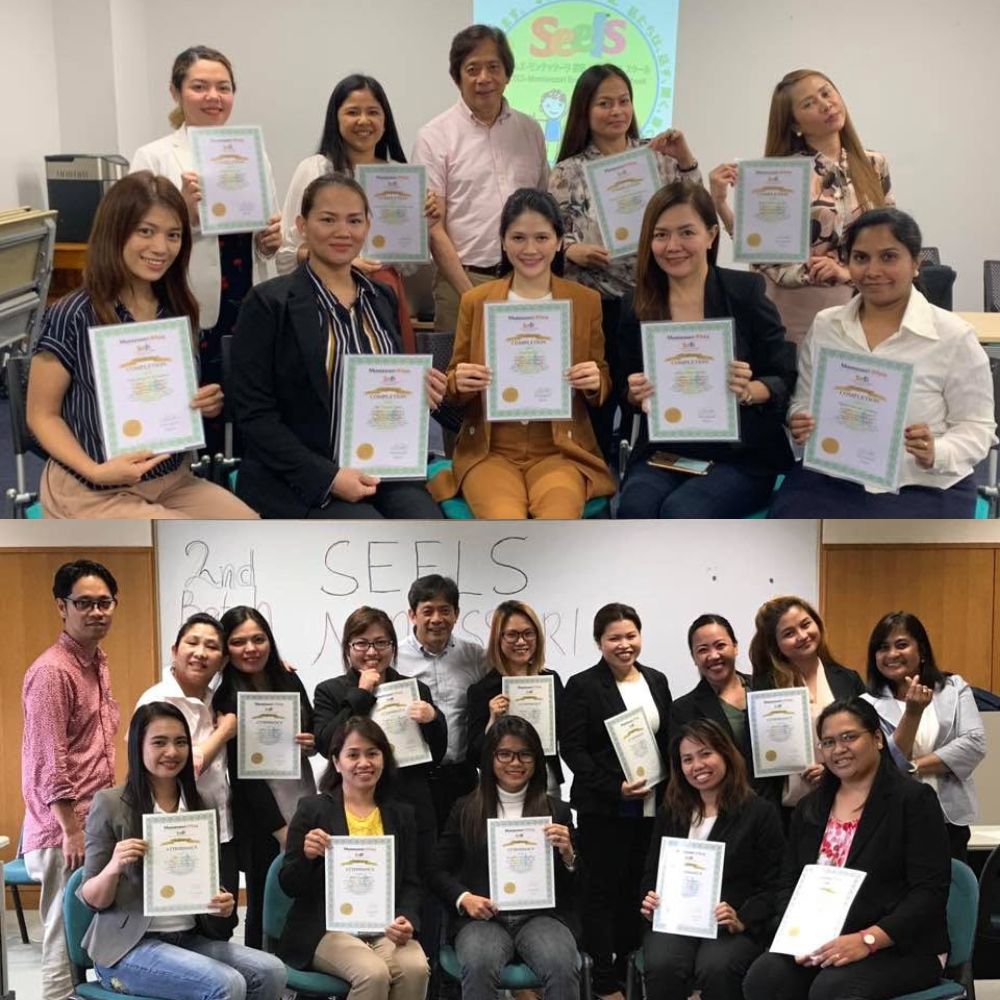
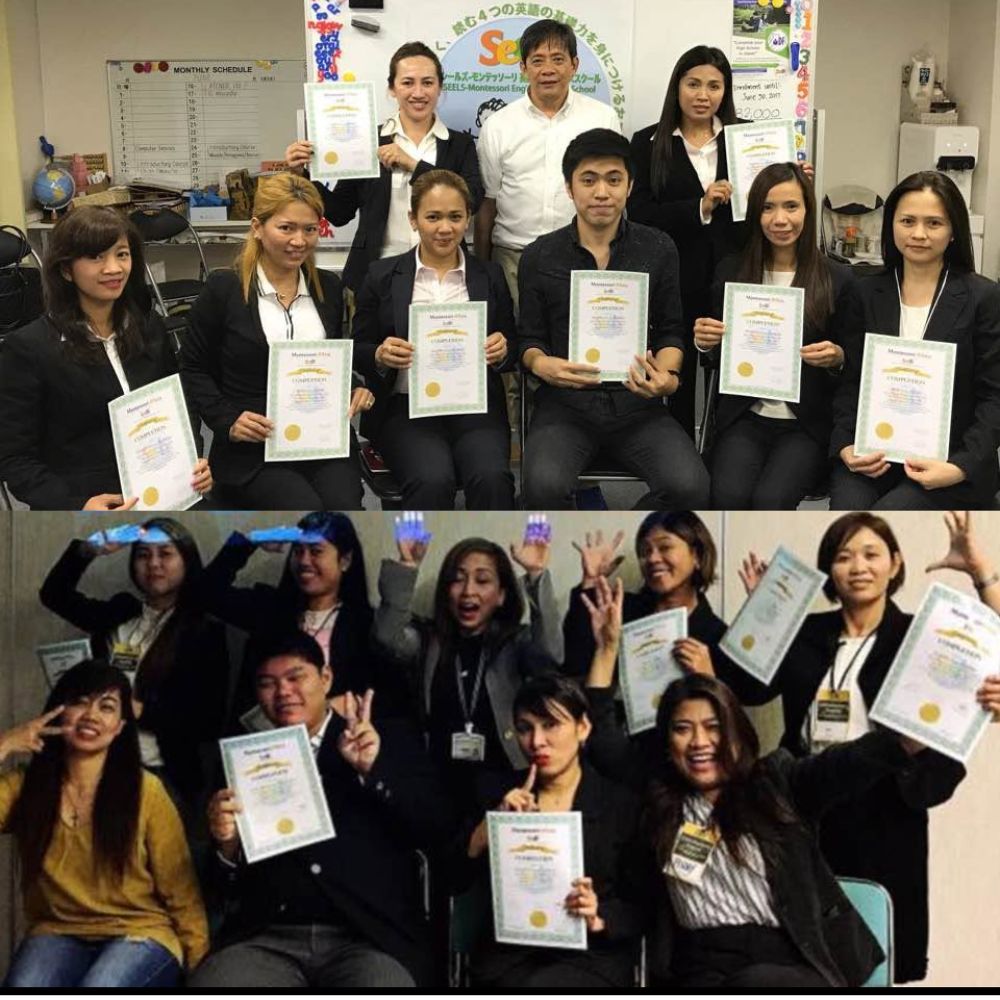
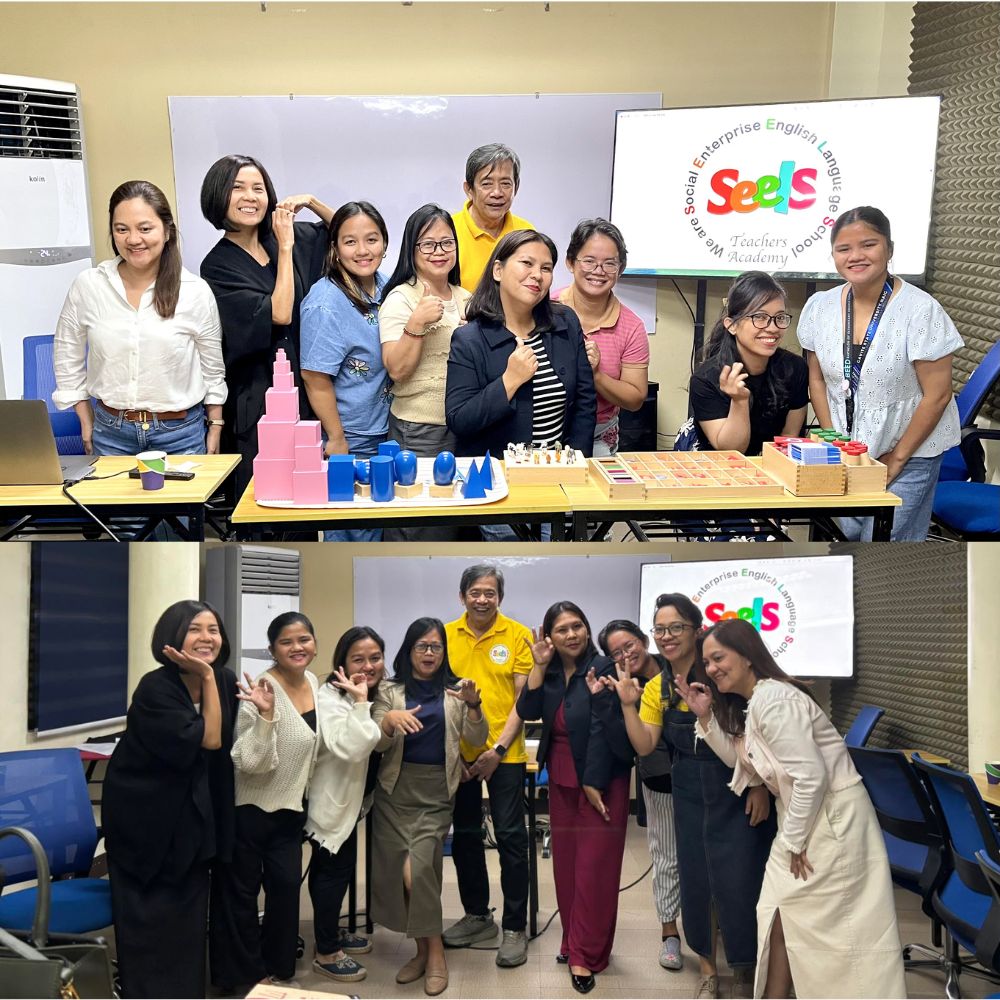
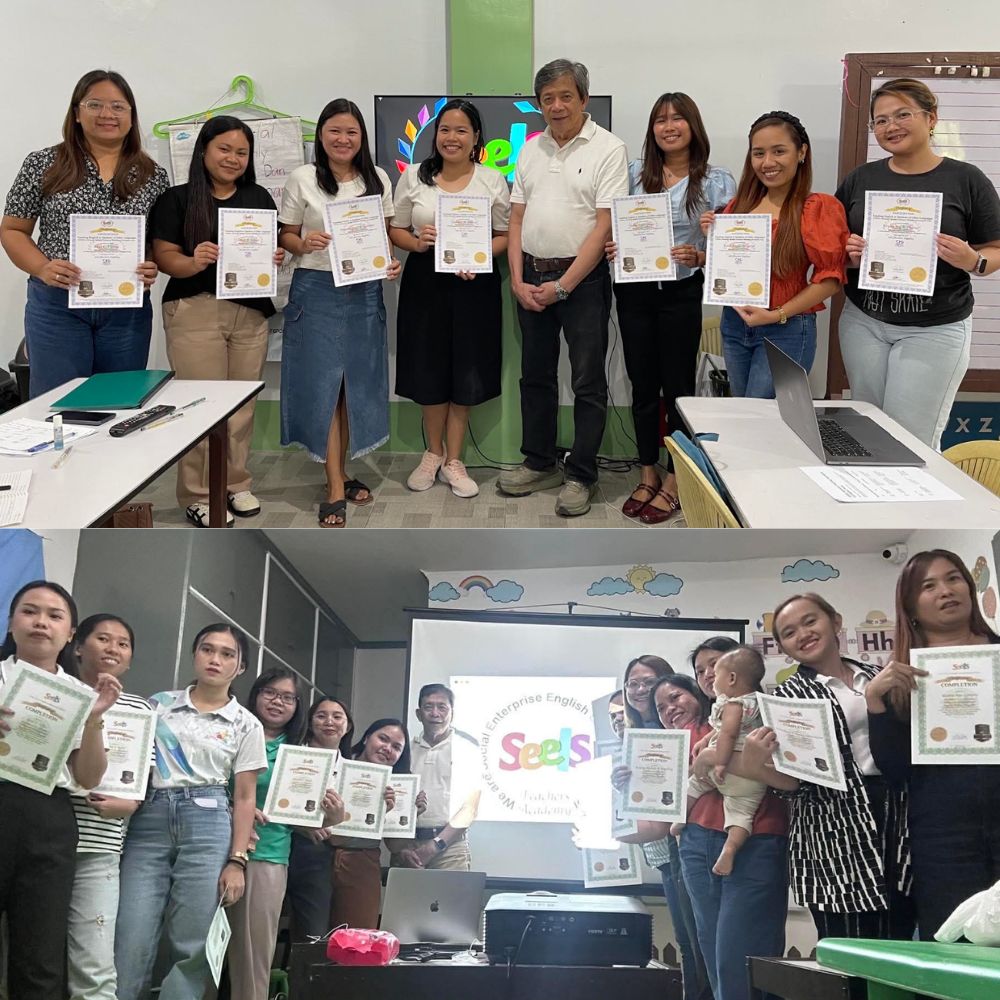
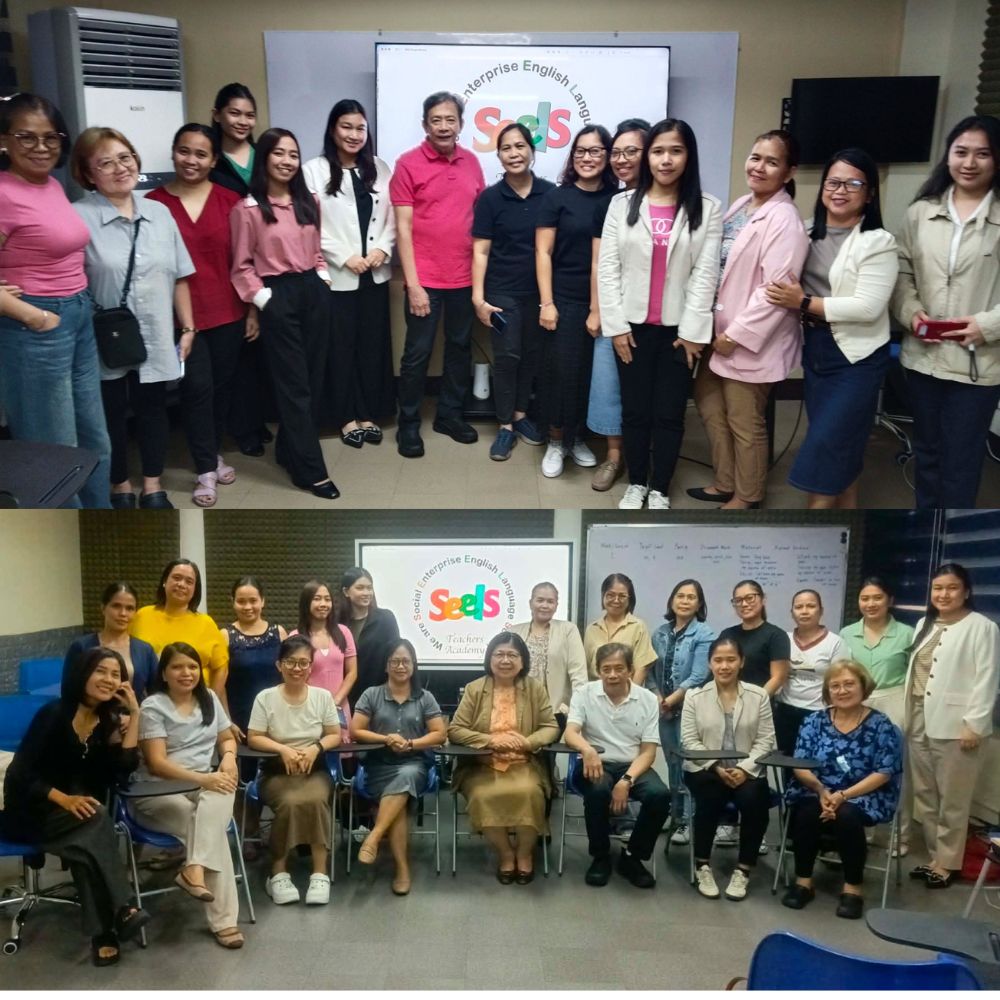
A structured introductory foundation that helps participants understand and connect:
This is a SEELS-developed introductory professional-development course.
Unit A Maersk Building
Aurora Blvd. Corner Balete Drive
Cubao, Quezon City
(5 Minutes walk from Betty Go LRT Station)
9:00 AM–5:00 PM on both days
Select your preferred schedule and submit your enrollment details through the official SEELS registration form.
Enroll Now Enrollment is confirmed only after registration and payment verification.The Introductory Course may stand alone. It is the adult foundation, not a requirement to complete every later SEELS program. Participants may continue according to their role, learner readiness and actual implementation need.
Request the current schedule, venue, tuition, requirements and certificate conditions. Schools and tutorial centers may also ask about a commissioned staff-development batch.