1
Build the Child
Turn sounds, blending, segmenting, handwriting, words, reading, writing, comprehension, and confidence into visible milestones that families and teachers can understand.
Every literacy engagement should create three forms of value: visible skills for the child, stronger teaching capacity for the learning provider, and wider literacy opportunity for the community.
SEELS uses the Piggy Bank idea to connect child progress, institutional capacity, and community benefit. A family, school, tutorial center, LGU, foundation, or responsible business may enter from a different starting point, but each partnership should help build the same literacy ecosystem.
Turn sounds, blending, segmenting, handwriting, words, reading, writing, comprehension, and confidence into visible milestones that families and teachers can understand.
Help schools and tutorial centers improve teaching consistency, staff preparation, assessment, parent communication, program identity, and evidence of implementation.
Use responsible commercial growth, shared resources, graduate cooperation, and institutional partnerships to widen literacy opportunity in more communities.
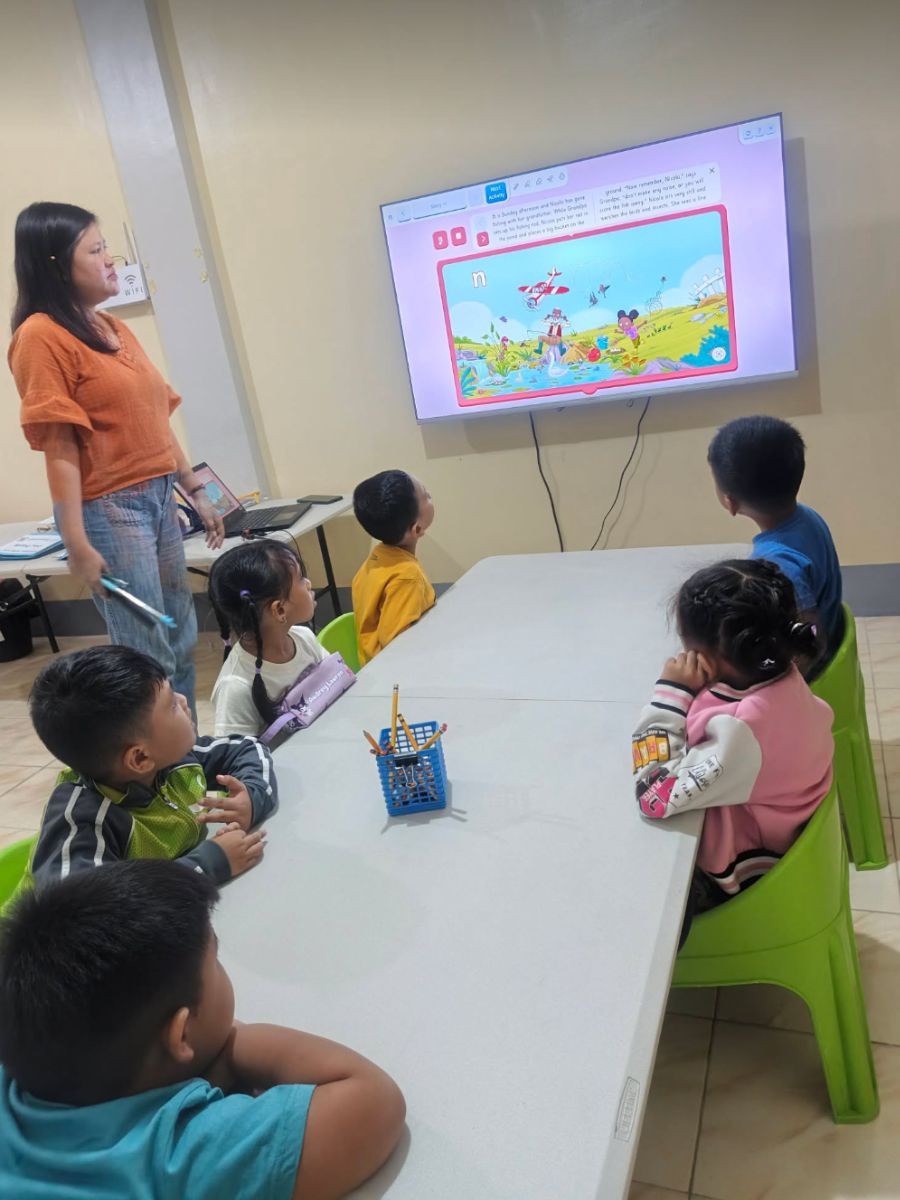
The Piggy Bank is not a separate teaching method and not a financial account. It is a simple SEELS framework for making literacy development understandable, documentable, and worth celebrating.
The teacher follows a structured lesson and introduces a manageable sound, blending, writing, word, or reading goal.
The teacher checks what the child can recognize, say, blend, segment, write, read, understand, or apply.
A demonstrated milestone is entered in the learner’s progress record so families and teachers can see growth over time.
Progress evidence guides the next lesson, additional practice, timely support, or a broader reading-and-writing activity.
Parents want visible progress. Learning providers need strong programs. LGUs and foundations need measurable public value. The wider public needs a practical way to support literacy without separating social impact from sustainability.
A literacy program should show more than attendance. Parents should know what their child has learned, where support is needed, and what the teacher plans to do next.
Visible progress can improve parent communication, but the strongest value comes from a more consistent teaching system, prepared staff, and evidence that guides improvement.
Public and institutional partners need more than a one-day activity. The Piggy Bank framework can organize teacher preparation, learner starting points, progress evidence, partner roles, and periodic review.
Social impact should not disappear when a grant ends. SEELS combines earned income, professional services, partnerships, shared resources, and community participation to help sustain the work.
Jolly Classroom is a teacher-led digital toolkit from Jolly Learning. It provides structured phonics and literacy content. SEELS helps participating educators and institutions understand, practise, implement, communicate, and connect that content to broader literacy and institutional-development pathways.
An extensive sequence with teaching notes, lesson plans, activities, audio, and printable resources.
Stories, songs, actions, animations, blending, segmenting, formation, and whole-class activities.
Tools for checking phonics knowledge, tracking progress, and identifying learners who may need additional support.
The screen guides and supports the lesson, but professional observation, judgment, explanation, and feedback remain essential.
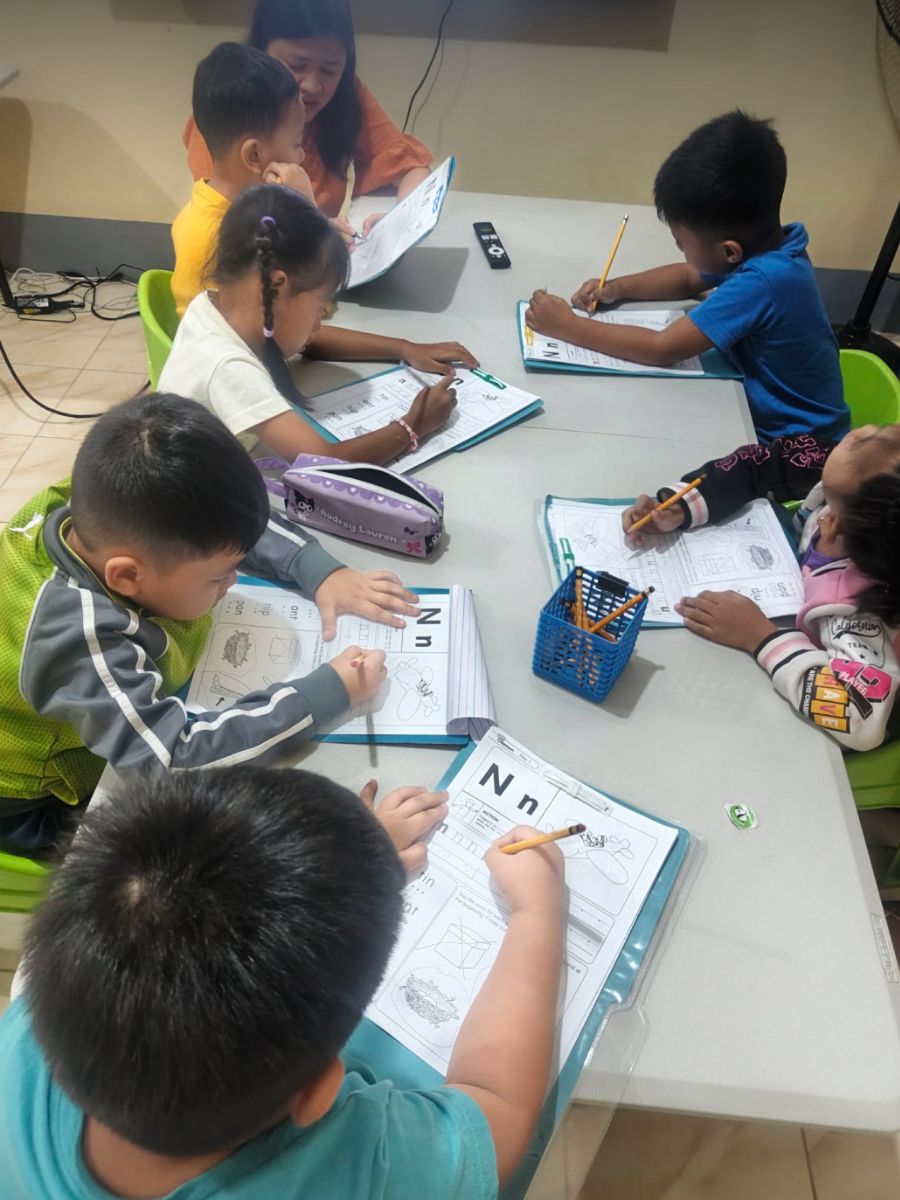
England shows both the strength and the limitation of national phonics policy. Systematic teaching can build a clear decoding foundation, but literacy development cannot be reduced to one method, one test, or one kind of text.
The review recommended systematic phonics within a broad and language-rich curriculum for beginning reading.
England introduced a national check intended to confirm age-appropriate phonic decoding.
UCL researchers argued that rigid synthetic-phonics routines may be insufficient for some struggling readers and called for flexible, multi-component teaching.
Systems need structured foundations, prepared teachers, assessment, adaptation, meaningful reading and writing, and sustained implementation—not a single imported solution.
The Piggy Bank becomes credible when it is connected to real teaching, clear records, responsible roles, and periodic review.
Define the age group, starting point, language needs, schedule, teacher, and setting.
Orient the teacher to structured phonics, Jolly Classroom, assessment, progress records, safeguarding, and parent communication.
Begin with one learner group, teach consistently, document learning deposits, and identify implementation challenges.
Examine learner progress, teacher experience, parent feedback, resources, costs, and readiness before continuing or expanding.
No. It is a SEELS educational framework for making literacy progress visible. “Deposits” refer to demonstrated learning such as sounds, blending, segmenting, handwriting, word reading, writing, comprehension, and related milestones—not money.
No. Jolly Classroom is the official digital teaching toolkit from Jolly Learning. Literacy Foundations Piggy Bank is the SEELS progress-visibility and social-enterprise framework that may use Jolly Classroom lessons, assessment information, and teacher resources within a wider implementation process.
No. Jolly Classroom is teacher-led. The platform can organize lessons, activities, resources, and assessment support, but the teacher remains responsible for explanation, observation, interaction, practice, adaptation, feedback, and learner care.
SEELS should make that promise only after adopting and publishing a defined community-literacy allocation and reporting policy. Until then, the appropriate statement is that participating revenue helps sustain teacher support, shared resources, implementation, partnerships, and community-literacy work.
No. SEELS recognizes systematic synthetic phonics as an important foundation for English decoding. Complete literacy development also requires oral language, vocabulary, fluency, comprehension, meaningful reading and writing, motivation, assessment, teacher judgment, and flexible support for learners who struggle.
Yes. A small pilot is the preferred entry point. The provider should identify the learner group, prepare the teacher, establish starting-point and progress records, orient parents, teach consistently, review evidence, and improve before expanding.
Institutional partners may support a defined teacher cohort, learner group, community pilot, resource requirement, local implementation site, or public-private literacy initiative. Roles, costs, evidence, safeguarding, reporting, and review should be agreed before implementation.
The England section is presented as a balanced policy lesson, not as a claim that one national model can be copied directly into the Philippines.
Parents may ask about participating learning providers. Schools and tutorial centers may request a demonstration or pilot discussion. LGUs, foundations, and responsible businesses may explore a defined literacy partnership.
Earned income keeps the work moving; social impact explains why it exists
SEELS does not separate business discipline from educational responsibility. The model is intended to generate enough value to sustain quality programs while using cooperation and partnership to widen their benefit.
Families and Providers Participate
A family, teacher, school, tutorial center, or partner enters a clearly defined literacy service.
Children Build Skills
Structured teaching, assessment, and meaningful practice produce visible learning evidence.
Teachers and Centers Improve
Implementation support strengthens staff practice, program organization, and communication with families.
Revenue Sustains Capacity
Income supports people, technology, materials, administration, quality assurance, and continuing development.
Partnership Extends Access
Shared resources, peer support, supported places, and community partnerships help the model reach further.