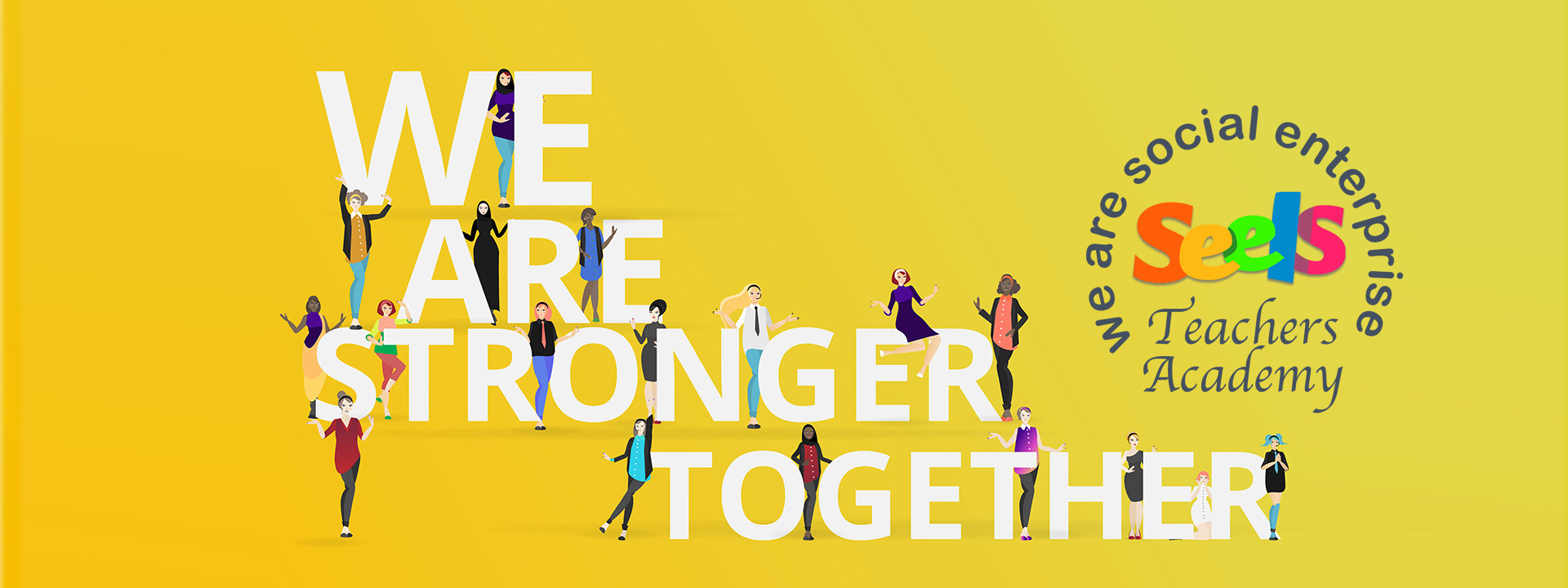
SEELS graduates, teachers and learning-provider partners working together after training
Full-Width Hero Banner images/seels-practice-to-partnership-hero.jpg • 1920 × 720 pixels
After Training

Turn training into practice, evidence, partnership and professional growth.

The SEELS Practice-to-Partnership Pathway helps graduates move from course completion into an appropriate application: Bite-Size Montessori for shared early-childhood preparation, SBRW English or Filipino Reading & Writing for sustained classroom implementation, or practicum, institutional development and deeper professional formation according to readiness and role.

Social Enterprise Mission in Practice

Free basic support through cooperation, shared practice, and peer learning

The SEELS Practice-to-Partnership Pathway puts the organization’s social enterprise mission into practice. It provides graduates and participating schools or tutorial centers with accessible after-training support while using cooperation, shared resources, peer learning, and SEELS facilitation to keep the service practical and economically sustainable.

Accessible Support

Free basic support for short-course graduates

Graduates may join peer discussions, lesson-sharing activities, implementation planning, demonstration-teaching exchanges, shared documentation, and selected online support meetings without an additional participation fee.

Cooperative Participation

Graduates and learning providers learn from one another

Teachers, graduates, schools, and tutorial centers contribute classroom experiences, practical ideas, local knowledge, learning opportunities, and constructive feedback. This exchange makes the pathway more enriching while reducing dependence on costly one-to-one coaching.

SEELS Facilitation

A shared network guided by a common mission

SEELS organizes the pathway, provides shared templates and implementation guidance, facilitates selected meetings, connects graduates with learning providers, promotes professional standards, and helps participants identify appropriate next steps.

Sustainable Services

Specialized support is arranged separately

Individual mentoring, on-site visits, customized curriculum work, formal quality-assurance reviews, staff-wide training, full Bite-Size Montessori training or materials, SBRW subscriptions or digital access, travel, venue expenses, DME, and TESOL may require fees or agreed cost-sharing arrangements.

Shared-responsibility principle. Free basic support remains sustainable when graduates and partner institutions participate actively, contribute appropriate knowledge and experience, respect confidentiality and child-safeguarding standards, and help one another improve educational practice. Participation does not guarantee practicum placement, employment, institutional endorsement, or access to specialized services.
Why It Matters

A certificate records completion. Support helps learning become practice.

Teachers often leave a short course inspired but uncertain about what to do first, how to adjust a lesson for real learners, what evidence to collect, or where to seek further guidance. Small learning providers may also need help turning one trained teacher into a workable pilot program.

For Graduates

Move beyond attendance.

Translate course ideas into a lesson, implementation plan, teaching demonstration, reflection and developing professional portfolio.
For Learning Providers

Start with a manageable pilot.

Identify a learner group, prepare a teacher and environment, organize a small class, document progress and review before expanding.

For Partner Schools

Build a talent and practicum bridge.

Host qualified candidates, observe potential teachers, nominate staff for further development and participate in mentoring and quality support.

For SEELS

Stay connected to implementation.

Learn from classroom evidence, strengthen programs, guide graduates toward appropriate pathways and grow a responsible partner network.

Four Entry Points

Complete an appropriate course, then choose what you are ready to put into practice.

Each course provides a different adult starting point. After training, graduates and institutions may choose a child-facing or classroom application such as Bite-Size Montessori or SBRW, continue into practicum, or pursue deeper professional formation according to learner needs, readiness and institutional capacity.

Child and Environment

Montessori Language and Jolly Phonics Introductory Course

Begin with child development, observation, the prepared environment, oral language, Sensorial and Practical Life preparation, and the relationship between Montessori language principles and structured phonics support. This adult foundation may be applied through Bite-Size Montessori or deepened through DME.

Young Learner English

TEYL Philippine Variant

Strengthen active English teaching for young learners through lesson planning, classroom language, stories, movement, scaffolding, beginning Reading & Writing and reflective practice.

Filipino Reading & Writing

Tunog at Pantig

Prepare and implement Filipino reading and writing foundations through oral language, sounds, syllables, word building, handwriting, comprehension and learner confidence.

English Phonics Technology

Jolly Phonics and Jolly Classroom App Support Training

Understand the basic Jolly Phonics approach and explore responsible, teacher-guided use of Jolly Classroom for structured phonics and English Reading & Writing implementation.

Choose What You Will Put Into Practice

Training prepares the adult. After training, choose the learner and implementation need.

The Practice-to-Partnership Pathway does not assume that every graduate should take another course immediately. The next step may be an early-childhood application, an English or Filipino Reading & Writing classroom, practicum, institutional development or deeper professional formation.
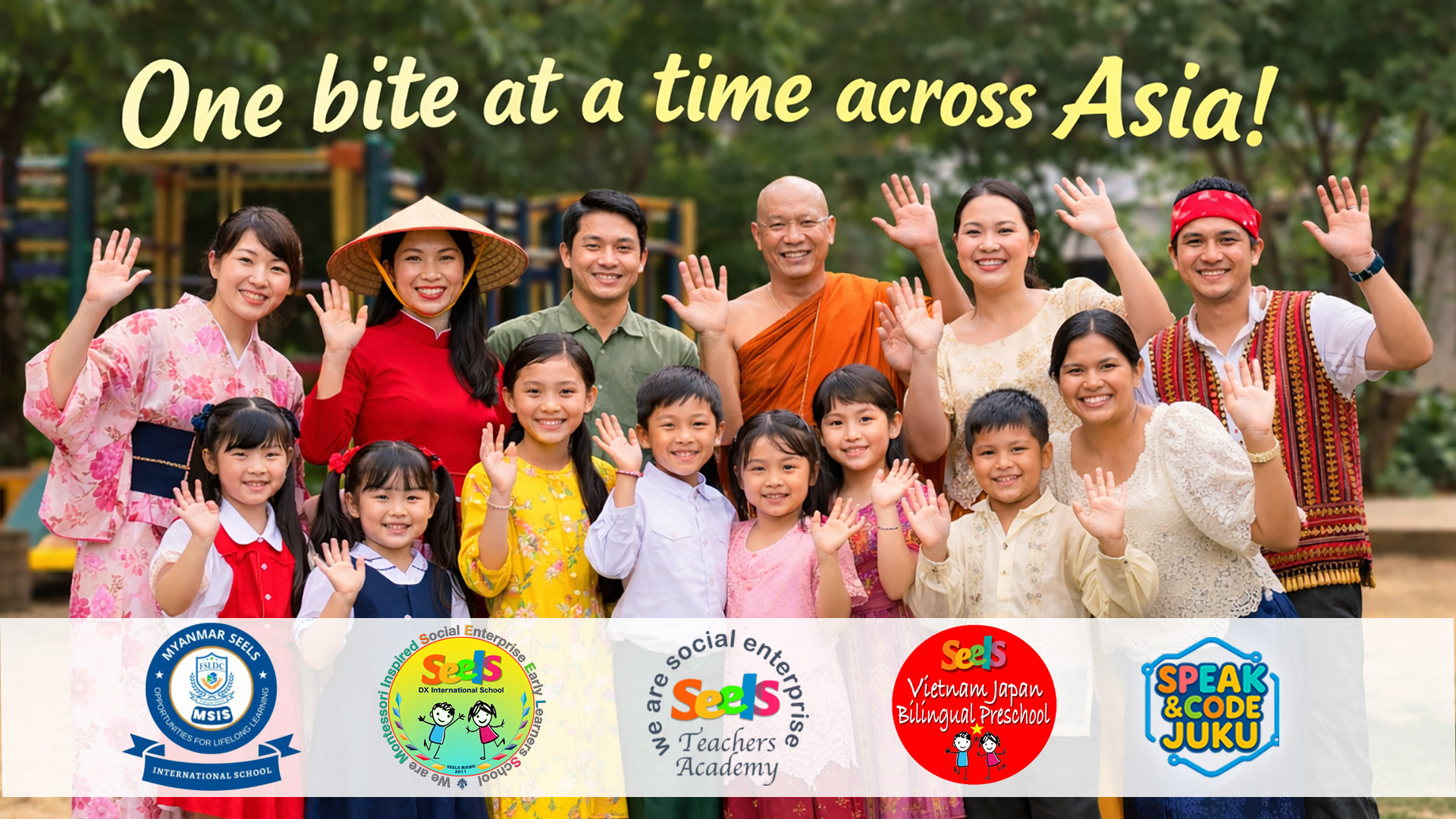
Bite-Size Montessori shared early-childhood foundation supporting later Filipino and English Reading and Writing pathways
Bite-Size Montessori provides a shared Montessori-informed early-childhood foundation before more explicit language-specific Reading & Writing where appropriate.

A simple application map

Bite-Size Montessori · shared foundation English: JCAT / Jolly Phonics + Jolly Classroom Filipino: Tunog at Pantig SBRW classroom implementation
Readiness, not a compulsory sequence. Bite-Size Montessori is not a required prerequisite for JCAT, Tunog at Pantig or SBRW. It is primarily a shared early-childhood foundation, especially relevant around ages 2.5–4, while older or developmentally ready learners may enter an explicit Reading & Writing pathway directly.
Shared Early Foundation

Bite-Size Montessori

Apply Montessori-informed Practical Life, Sensorial experience, oral language, movement, sound awareness, fine-motor preparation, pre-writing and early number readiness with younger learners.

English Reading & Writing

JCAT to SBRW English

Use JCAT preparation to move into structured, teacher-led English Reading & Writing through Jolly Phonics and Jolly Classroom, then connect teaching, learner evidence and parent communication through SBRW.

Filipino Reading & Writing

Tunog at Pantig to SBRW Filipino

Apply Tunog at Pantig through oral language, tunog, titik, pantig, salita, pangungusap, pagbasa and pagsulat, then use SBRW structures for sustained classroom implementation and evidence.

Professional / Institutional

Practicum, DME, TESOL or Provider Development

Some graduates and institutions are ready for supervised practicum, deeper Montessori or English-teaching formation, staff development, pilot design or a wider partnership rather than immediate classroom expansion.

The First 90 Days

Choose the right application, practise carefully and document what happens.

Basic implementation support is designed as a manageable group-based process. The first task is not to force every graduate into the same program, but to match the learner group, developmental starting point, language need and teacher preparation with a realistic application.

Days 1–30: Prepare

Clarify the learner group, developmental starting point, language need, setting, available materials and first realistic implementation goal.

  • Implementation orientation and starting-point observation
  • Choose BSM, SBRW English, SBRW Filipino or another appropriate application
  • 30-, 60- and 90-day action plan
  • Lesson/activity and documentation templates
  • Graduate support-group onboarding

Days 31–60: Practise

Prepare and deliver an age- and pathway-appropriate activity, lesson sequence or small pilot while receiving focused group mentoring and demonstration support.

  • BSM activity sequence, SBRW lesson sequence or other approved practice
  • Online group mentoring or peer-learning session
  • Demonstration-teaching clinic
  • Lesson/activity adjustment and feedback
  • Simple learner and teacher evidence

Days 61–90: Review

Reflect on implementation, organize evidence and identify the most appropriate next professional or institutional pathway.

  • Short reflective report and developing portfolio evidence
  • Implementation review against the learner's actual response
  • Decision to continue BSM, move into or deepen SBRW, or adjust the pilot
  • DME, TESOL, practicum, leadership or partner referral where appropriate
Two Connected Support Tracks

Develop the teacher while strengthening the place where learning happens.

Individual practice and institutional capacity are treated as connected. A stronger teacher needs an environment that supports good practice, and a stronger learning center needs prepared teachers.

Track 1

Teacher Practice Track

This track helps graduates move from course understanding into visible, reflective and increasingly independent practice. Depending on the learner and completed preparation, that practice may involve Bite-Size Montessori, SBRW English, SBRW Filipino, young-learner English teaching or supervised practicum work.

  • Prepare a short implementation plan linked to the learner's actual starting point.
  • Develop one complete BSM activity sequence, SBRW lesson sequence or other appropriate teaching sequence.
  • Conduct one demonstration or observed teaching activity.
  • Write a brief reflection on learner response and teacher decisions.
  • Organize selected evidence for a developing portfolio.
Appropriate descriptions may include SEELS Short-Course Graduate, Guided Implementation Participant or Practicum Candidate. A short course alone should not be presented as full teacher certification.
Track 2

School and Learning Center Track

This track supports tutorial centers, small private schools, home-learning programs and community providers in building a realistic and documented early-childhood or Reading & Writing pilot.

  • Identify the priority learner group, age/developmental profile and language need.
  • Select Bite-Size Montessori, SBRW English, SBRW Filipino or another appropriate pathway.
  • Prepare one or more teachers and the learning environment.
  • Organize schedules, groups, materials and parent communication.
  • Implement a small pilot and collect learner evidence.
  • Review the pilot before deciding whether to continue, transition or expand.
Start small. Implement carefully. Document what happens. Improve before expanding.
Progressive Service Levels

Begin with basic graduate support and deepen the partnership only when readiness is clear.

The four levels help SEELS provide genuine support without promising unlimited free mentoring. Detailed inclusions, schedules and fees should be confirmed separately for each cohort or institution.

Graduate Implementation Support

Approximately 90 days of basic group orientation, templates, mentoring, demonstration support, reflection and next-step referral after completing one short course.

Graduate Entry

Partner Learning Provider Support

An annual arrangement for schools, tutorial centers, home-learning programs and community providers seeking readiness assessment, program mapping, implementation meetings and quality guidance.

Annual Support

Practicum and Talent Development Partnership

For institutions prepared to host qualified practicum candidates, participate in mentoring, nominate staff for development and consider suitable graduates for teaching opportunities.

Reciprocal Partnership

Institutional Development Pathway

Longer-term support for staff formation through DME or TESOL, curriculum and quality-assurance development, teacher deployment, learner documentation and a one-year institutional plan.

Strategic Growth
Extended Institutional Support

Help small learning providers become more structured, confident and trusted.

Participating institutions may continue through a Bite-Size Montessori early-foundation pilot, an SBRW English or Filipino classroom implementation, practicum hosting or another separately confirmed SEELS partner arrangement according to learner needs, readiness, location and institutional capacity.

Readiness

School or center review

Examine learner needs, teacher preparation, space, schedule, materials, parent expectations and the feasibility of beginning a small pilot.

Program

Curriculum and implementation mapping

Match the chosen application—Bite-Size Montessori, SBRW English, SBRW Filipino or another approved program—with learner age/readiness, frequency, expected outputs, documentation and appropriate teacher roles.

Quality

Observation and progress documentation

Use learner starting-point records, progress notes, teacher reflections, mentor feedback and scheduled implementation reviews.

Growth

One-year institutional plan

Develop a realistic roadmap for staff formation, program refinement, practicum participation, parent engagement and responsible expansion.

Implementation and Professional Progression

Use evidence to decide whether to deepen implementation, professional formation or partnership.

A next step does not always mean another certificate. Graduates may need to continue Bite-Size Montessori, enter or deepen SBRW classroom practice, complete practicum, strengthen an institutional pilot, or pursue DME, TESOL or leadership formation according to evidence and role.

Training Starting Point Immediate Application Child / Classroom Path Professional Direction
Montessori Language and Jolly Phonics IC Observation, prepared environment, oral language and early readiness Bite-Size Montessori where appropriate; later English or Filipino Reading & Writing according to readiness Digital Montessori Education, practicum or institutional development
TEYL Philippine Variant Active English lessons for young learners Young-learner English teaching; SBRW where the intended role includes beginning Reading & Writing implementation 120-Hour TESOL, practicum or teaching leadership
Tunog at Pantig Filipino Reading & Writing preparation SBRW Filipino for sustained classroom implementation DME, Reading & Writing leadership, practicum or provider development
JCAT / Jolly Phonics + Jolly Classroom Structured English phonics and teacher-guided digital implementation SBRW English for sustained classroom implementation TEYL/TESOL, DME, practicum or provider development as appropriate

Important: The table separates classroom application from professional progression. Bite-Size Montessori and SBRW are implementation directions, while DME and TESOL are deeper professional-formation routes. None of these relationships should be interpreted as automatic academic credit transfer or guaranteed admission.

Advanced Formation

Digital Montessori Education

Recommended for teachers and school leaders seeking deeper formation in:

  • child development and Montessori philosophy;
  • prepared environments and observation;
  • early-childhood and Reading & Writing leadership;
  • digital and classroom integration;
  • school or learning-center development.
English Teaching Formation

SEELS 120-Hour TESOL

Recommended for graduates seeking deeper preparation in:

  • English-language teaching methodology;
  • lesson planning and classroom management;
  • language assessment and learner support;
  • online and international teaching;
  • practicum, portfolio and reflective practice.
A Reciprocal Development Cycle

Graduates strengthen institutions, and partner institutions help develop future graduates.

The strongest long-term model is a responsible exchange of training, implementation evidence, practicum opportunity, mentoring and talent development.

Prepare Adults Build focused capability through IC, JCAT, Tunog at Pantig or TEYL.
Choose the Application Match BSM, SBRW English, SBRW Filipino or another pathway to learner needs.
Support Implementation Guide planning, observation, demonstration, reflection and evidence.
Strengthen Providers Help schools and centers organize small, documented pilots.
Create Practicum Open authentic settings subject to candidate and partner readiness.
Deepen Formation Use evidence to guide DME, TESOL, leadership or wider partnership.
Clear and Sustainable Support

Define what is included, what requires a separate arrangement and what cannot be guaranteed.

Clear boundaries protect graduates, partner institutions and SEELS from misunderstandings while keeping the support model financially and operationally sustainable.

Basic 90-day support may include

  • one implementation orientation;
  • a simple action-plan template;
  • lesson and documentation templates;
  • one or two scheduled group mentoring activities;
  • a demonstration-teaching clinic;
  • graduate community access;
  • next-pathway guidance.

Separate confirmation may be required for

  • individual weekly coaching;
  • on-site observation and travel;
  • annual institutional support;
  • curriculum customization;
  • formal quality-assurance services;
  • practicum placement or employment referral;
  • full Bite-Size Montessori training, materials or separately announced implementation packages;
  • SBRW annual subscriptions, Jolly Classroom activation or other licensed/digital access;
  • DME or TESOL tuition and requirements.

Practicum placement, employment, partner recognition and advanced-program admission are not automatically guaranteed. They depend on readiness, applicable requirements, partner availability, safeguarding, location and a separately confirmed arrangement.

Frequently Asked Questions

Understanding BSM, SBRW and the after-training pathway

Learn how Bite-Size Montessori and SBRW fit after training, how free peer-supported implementation works, and when practicum, institutional cooperation, DME, TESOL or specialized services may be appropriate.

Is the Practice-to-Partnership Pathway another course?
No. It is an after-training implementation and institutional-development service. It helps graduates apply what they learned, exchange experiences with fellow educators, document classroom practice, and identify appropriate next steps. It also helps schools, tutorial centers, and community learning providers strengthen their programs and teacher-development systems.
How does Bite-Size Montessori fit after the Introductory Course?
The Introductory Course prepares the adult with foundational understanding of child development, observation, prepared environments, oral language, Practical Life, Sensorial preparation and beginning Reading & Writing foundations. Bite-Size Montessori is one practical early-childhood application of many of these foundations, primarily for younger children around ages 2.5–4. It is not a Montessori diploma or an automatic substitute for deeper formation such as DME.
Is Bite-Size Montessori required before JCAT, Tunog at Pantig or SBRW?
No. Bite-Size Montessori is a shared Montessori-informed early-childhood foundation, not a compulsory prerequisite. The appropriate starting point depends on the learner's age, developmental readiness, language experience, prior learning and educational setting.
What is the difference between Bite-Size Montessori and SBRW after training?
Bite-Size Montessori supports shared early-childhood capacities such as oral language, movement, Sensorial discrimination, sound awareness, independence and fine-motor preparation. SBRW is the continuing classroom implementation system for structured Reading & Writing pathways, including English through Jolly Phonics and Jolly Classroom and Filipino through Tunog at Pantig.
Does free after-training support include full BSM training or the SBRW annual subscription?
Not automatically. Free basic support focuses on peer learning, shared templates, general implementation guidance and selected group activities. Full Bite-Size Montessori training or materials, SBRW subscriptions, Jolly Classroom activation, licensed resources and specialized institutional services require the current written offer or a separately confirmed arrangement.
Is basic after-training support free?
Yes. Basic peer-supported activities are designed to be offered without an additional participation fee to graduates of the four SEELS short courses, subject to the announced schedule, available activities, and participant capacity. Support may include shared templates, peer discussions, lesson-sharing, implementation planning, demonstration-teaching exchanges, and selected online meetings facilitated by SEELS.
How can SEELS provide free after-training support?
The pathway is part of the SEELS social enterprise mission. It relies on cooperation among graduates, teachers, schools, tutorial centers, and other learning providers. Participants share appropriate classroom experiences, practical ideas, resources, and constructive feedback. SEELS organizes the pathway, provides common guidance and templates, facilitates selected activities, and connects participants with possible learning and partnership opportunities.
Are all after-training services free?
No. Free basic support focuses on peer learning, shared resources, group activities, general implementation guidance, and facilitated cooperation. Individual mentoring, formal classroom observation, on-site visits, customized curriculum development, institutional assessment, quality-assurance reviews, staff-wide training, full BSM training or materials, SBRW subscriptions or licensed access, travel, venue expenses, DME, and TESOL may require separate fees or agreed cost-sharing arrangements.
What is expected from graduates who join the free support pathway?
Graduates are expected to participate actively, attend agreed activities when possible, share appropriate teaching experiences, prepare or demonstrate lessons, document implementation, and provide respectful and constructive feedback. Participants must also observe professional conduct, confidentiality, data privacy, and child-safeguarding requirements.
What is expected from participating schools and tutorial centers?
Participating institutions may contribute by identifying their learner and teacher-development needs, sharing implementation experiences, assigning a responsible contact person, and providing appropriate opportunities for observation, demonstration, pilot teaching, or practicum when available. Any classroom access remains subject to institutional approval, learner safeguarding, and a separately confirmed arrangement.
Can a school or tutorial center join with only one trained teacher?
Yes. A school or learning provider may begin with one prepared teacher and a small pilot group. The learner profile, schedule, materials, teacher responsibilities, documentation, parent communication, and implementation-support arrangement should be realistic and clearly agreed before the pilot begins.
Is the 90-day implementation period the same for every graduate?
The 90-day period provides a common implementation framework, but activities may differ according to the completed course, graduate readiness, teaching setting, learner needs, available peer groups, and partner participation. The exact schedule and included support should be stated in the announcement or participant guidance for each batch.
Does participation guarantee practicum placement or employment?
No. The pathway may connect qualified graduates with participating schools and tutorial centers, but practicum placement, classroom access, employment, and institutional endorsement are not guaranteed. Opportunities depend on candidate readiness, program requirements, partner availability, location, safeguarding requirements, and a separately confirmed agreement.
Does completing a short course give automatic credit toward DME or the 120-Hour TESOL?
No. The pathway supports professional progression by helping graduates identify the advanced program most appropriate to their needs. DME and the 120-Hour TESOL have their own admission, tuition, learning, assessment, practicum, portfolio, and completion requirements. A short course does not automatically provide academic credit unless SEELS establishes and publishes a formal recognition-of-prior-learning policy.
How can an institution become a practicum or talent-development partner?
A school, tutorial center, or community learning provider may begin by submitting an inquiry and joining a readiness discussion with SEELS. Both parties may then clarify learner safeguarding, supervision, teacher and mentor roles, schedules, documentation, candidate selection, classroom access, feedback procedures, and possible practicum or talent-referral arrangements.
What Will You Put Into Practice Next?

Choose a realistic next step for the learner, teacher and learning setting.

Graduates may inquire about Bite-Size Montessori application, SBRW English or Filipino classroom implementation, 90-day support, mentoring, practicum, DME or TESOL. Schools and learning centers may discuss a small pilot, annual support, practicum hosting or institutional development.

Inquiries are processed through the official SEELS Google Form. Replace YOUR_GOOGLE_FORM_LINK in the HTML with your published or prefilled form link before uploading this page.